42 Most Frequently Used Data Analysis Tools And How They Are Used To Examine Data

Data analysis tools are programs and software that analyze data and provide analytic reports that assist researchers and organizations in making more informed decisions while saving money and increasing profitability.

Data analysis is the act of converting unstructured data into relevant statistics, insights, and explanations that may be utilized to inform professional decisions.

Data analysis has become a vital component of modern business operations. Choosing the best data analysis tool is a difficult task, as no platform meets all requirements.

Business analytics tools are specialized software that harvests data from one or more business systems and stores it in a repository for review and analysis, such as a data warehouse.

There are billions of businesses worldwide, and each of these generates a large amount of data, which these organizations rely on to make key business choices.

The raw data must be transformed into relevant information that organizations can use, which is accomplished through data analysis and used for further information.

Data analysis is not a single procedure, but a series of operations that begin with the acquisition of data, continue with its cleansing, and conclude with its transformation into meaningful information.

This procedure is comparable to the way you collect all the fragments and fit them together to make a beautiful image. Data analysis, like data mining, operates on virtually identical principles to accomplish its goals.

In general, we employ a variety of data analysis tools in research or business, and these tools are used to acquire and convert data into useful information.

To make the most of the seemingly infinite range of data analytics tools now available on the market, we will review the 40 most critical data analytics tools required to become a good data analyst.

List of 40 Most Frequently Used Data Analysis Tool

1. Apache Spark 

Apache Spark is a unified analytics engine for big data processing that comes pre-configured with modules for streaming, SQL, machine learning, and graph analysis. Apache Spark is a free, open-source distributed processing solution for handling large amounts of data.

Use: It makes use of in-memory caching and improved query execution to provide rapid analysis of data of any size. It is a fast and versatile engine for processing enormous amounts of data quickly.

2. Apache Storm

Apache Storm is a distributed real-time computer system that is completely free and open source. Apache Storm enables the reliable processing of unlimited streams of data, performing the same function as Hadoop does for batch processing.

Apache Storm is easy to use, compatible with any programming language, a lot of fun, and interacts with your existing queueing and database technologies.

Use: Apache Storm is applicable to a wide variety of use cases, including real-time analytics, online machine learning, continuous computation, distributed RPC, and ETL.

Apache Storm is fast, and the benchmark estimated that it can handle over a million tuples per second per node. It is scalable, fault-tolerant, ensures the processing of your data, and is simple to set up and manage.

3. Domo

Domo, Inc. is a cloud-based platform that enables decision-makers across the organization to gain direct, simplified, real-time access to business data with minimal IT participation. It is a cloud-based software-as-a-service (SaaS) company.

Use: Domo Business Cloud is a modern business intelligence platform that integrates effortlessly with any technology infrastructure. It is comprised of an integrated platform of data fabric, analytics, and intelligent apps that enables you to increase data literacy by placing business users in charge of business intelligence and analytics.

4. Excel

Microsoft Excel is a spreadsheet application for Windows, macOS, Android, and iOS developed by Microsoft. It includes calculators, graphing tools, pivot tables, visual basics for applications, and a macro programming language.

Use: Excel is most frequently used to organize data and do financial analysis. It is utilized across all business functions and in organizations of all sizes.

5. Google Data Studio

Google Data Studio is a web-based tool for transforming data into customizable, informative reports and dashboards that Google launched on March 15, 2016, as part of the enterprise Google Analytics 360 suite. Google announced in May 2016 the availability of a free version of Data Studio for individuals and small teams.

Use: Without programming, Data Studio enables you to effortlessly report on data from a broad variety of sources. You may link to data sets such as Google Marketing Platform products such as Google Ads, Analytics, Display & Video 360, and Search Ads 360 in a matter of seconds.

6. Google Fusion Table

Google Fusion Tables was a data management online data management tool that accepts data files organized in the style of a simple database table, most often as CSV files. Fusion Tables files can be private, unlisted, or public, as desired by the user and consistent with the conventions established by other Google Docs apps. Google Drive was then loaded with files and made searchable for the user.

Use: Google Fusion Tables are used to collect, visualize, and share data. Multiple tables are used to hold data, which Internet users can browse and download.

7. Grafana

Grafana is web-based analytics and interactive visualization program that runs on multiple platforms. When connected to supported data sources, it delivers charts, graphs, and alerts for the web and dashboards simplify the process of tracking users and events by automating the collection, administration, and presentation of data.

Use: Grafana is used by businesses to monitor their infrastructure and do log analytics, mostly to increase operational efficiency.

8. IBM Cognos

IBM Cognos Business Intelligence is an integrated business intelligence suite that is accessible via the web. It includes a toolkit for reporting, analytics, score carding, and event and metric monitoring. The program is composed of multiple components that are intended to address the various information requirements of a business.

Use: IBM Cognos enables anybody in your organization to see or generate business reports, analyze data, and monitor events and metrics to help you make better business decisions.

9. Jupyter Notebook

Jupyter is a free, open-source, non-profit initiative that originated from the IPython Project and is an interactive web application referred to as a computational notebook that enables academics to mix software code, computational output, explanatory text, and multimedia resources into a single document and services for interactive computing in dozens of programming languages.

Use: Jupyter enables data scientists to create and share documents that contain live code, equations, computational output, visualizations, and other multimedia resources, in addition to explanatory text.

10. KNIME

The Konstanz Information Miner, or KNIME, is a free and open-source platform for data analytics, reporting, and integration. Through its modular data pipelining “Lego of Analytics” idea and integrates numerous components for machine learning and data mining.

KNIME Analytics Platform is an open-source data science platform and the constant integration of new advancements makes data analysis and the construction of data science processes and reusable components accessible to everyone.

Use: KNIME enables users to design data flows (or pipelines) visually, execute some or all analysis processes selectively, and then evaluate the results, models, and associated data using interactive widgets and views.

11. Looker

Looker is a business intelligence and big data analytics platform that enables easy exploration, analysis, and sharing of real-time business insights.

Looker Data Sciences, Inc. is a Santa Cruz, California-based computer software company and is a business intelligence tool for data exploration and discovery.

Use: Looker is a robust business intelligence (BI) solution that enables organizations to create intelligent visualizations. It features an intuitive user interface, is entirely browser-based, and enables dashboard collaboration.

12. Microsoft Power BI

Microsoft Power BI is a business analytics service and has dynamic visualizations and business intelligence features, as well as a user interface Microsoft claims, is simple enough for end-users to build reports and dashboards. It is included in the Microsoft Power Platform.

Power BI is a collection of software services, apps, and connectors that work collaboratively to transform disparate data sources into coherent, visually immersive, and interactive insights.

Use: Microsoft Power BI service is a secure cloud-based application that enables users to access dashboards, reports, and Power BI apps and a type of content that integrates linked dashboards and reports, via a web browser or mobile apps for Windows, iOS, and Android.

13. Minitab

Minitab is a piece of software that enables data analysis and supports businesses in finding trends, resolving difficulties, and generating usable insights from data by delivering a comprehensive and best-in-class set of statistical analysis and process improvement tools.

Minitab has aided businesses in reducing costs, boosting quality, increasing customer satisfaction, and increasing effectiveness.

Use: Minitab use helps you to acquire deeper insights from data than ever before and to find the true value of your data. This is particularly for Six Sigma specialists and enables the simple and effective input of statistical data, its manipulation, the detection of trends and patterns, and finally the extrapolation of reactions to current issues.

14. Mode

Mode is a data analytics platform aiming at offering an intuitive and iterative environment for Data Scientists. It includes an interactive SQL editor, a notebook environment for analysis and visualization, as well as novice-friendly collaborative tools.

Mode’s Helix Data engine is unique in that it streams and saves data from external databases, enabling rapid and interactive analysis. The Data Analysis module may store up to ten gigabytes of data in memory.

Use: Mode Analytics is a data visualization and reporting application that is well-known for its easy user interface and collaborative features.

15. NodeXL

NodeXL is a Microsoft Excel 2007/2010/2013/2016 network analysis and visualization software suite. It is a popular package, like others such as Pajek, UCINet, and Gephi.

It is commonly used in the ring, vertex, and edge mapping, as well as customized visual features and tags.

Use: NodeXL is a powerful and easy-to-use interactive network visualization and analysis tool that leverages the widely accessible MS Excel application to represent generic graph data, perform advanced network analysis, and visually explore networks.

16. OpenRefine

OpenRefine, formerly known as GoogleRefine and Freebase Gridworks, is a stand-alone open-source desktop tool for data purification and transformation, a process known as data wrangling. It is comparable to spreadsheet apps but acts more like a database.

Use: OpenRefine, is a sophisticated piece of open-source software that visualizes and manipulates massive amounts of data simultaneously and acts as a database, enabling greater discovery possibilities than tools such as Microsoft Excel.

17. Oracle Analytics Cloud

Oracle Analytics Cloud is a scalable and secure public cloud service that enables you, your workgroup, and your company to discover and perform collaborative analytics.

Oracle Analytics Cloud enables companies worldwide to gain strong insights using machine learning, enabling enterprises to rapidly find novel insights through automation and intelligence.

Use: Oracle Analytics Cloud provides flexible service management capabilities, such as rapid deployment, simple scaling and patching, and automated lifecycle management.

18. Orange

Orange is a free and open-source framework for data visualization, machine learning, and data mining. It has a graphical programming interface for exploratory data analysis and interactive data visualization, as well as the ability to utilize it as a Python library.

Use: Orange’s purpose is to serve as a platform for experimental selection, predictive modeling, and recommendation systems. It is primarily utilized in the fields of bioinformatics, genomic research, healthcare, and education.

19. Pentaho

Pentaho is corporate intelligence software that enables data integration, online analytical processing (OLAP), reporting, information dashboards, data mining, and extract, transform, and load capabilities. Pentaho is a bundle of tools for developing relational and analytical reporting.

Use: It is used to turn complex data into relevant reports and extract information using Pentaho and generate reports in a variety of forms, including HTML, Excel, PDF, Text, CSV, and XML.

20. Pig

Pig is a programming language that is used to analyze massive amounts of data. It is an abstraction layer on top of MapReduce and provides the Pig-Latin programming language for writing code that includes numerous built-in functions such as join, filter, and so on.

Pig-Latin and Pig-Engine are the two components of Apache Pig. Pig Engine is used to transform all these scripts into a single map and reduce jobs. Pig abstraction is advanced. It has fewer lines of code than MapReduce.

Use: Pig is a high-level scripting language for Apache Hadoop and enables data scientists to write complicated data transformations without having any prior knowledge of Java. Pig consumes data from a variety of sources, both structured and unstructured, and writes the findings to the Hadoop Data File System.

21. Hive

Hive is a Hadoop-based data structure that is used to process structured data in Hadoop. Facebook created Hive. It provides a variety of query languages, together referred to as Hive Query Language.

Apache Hive is a data warehouse that provides a SQL-like interface between the user and Hadoop’s distributed file system (HDFS).

Use: Hive is key Hadoop data analytics technology that simplifies the process of constructing MapReduce queries and is used by most businesses that work with Big Data and leverage the Hadoop infrastructure.

22. Power IB

Microsoft Power BI is a business analytics service and has dynamic visualizations and business intelligence features, as well as a user interface Microsoft claims, is simple enough for end-users to build reports and dashboards. It is included as part of Microsoft’s Power Platform.

Use: Power BI is a collection of software services, apps, and connectors that work collaboratively to transform disparate sources of data into cohesive, visually immersive, and interactive insights. Your data may be stored in an Excel spreadsheet or in a hybrid data warehouse that is both cloud-based and on-premises.

23. Python

Python has been one of the most popular programming languages since its introduction. The primary reason for its popularity is that it is a very simple-to-learn language that is also quite fast.

However, with the introduction of analytical and statistical libraries such as NumPy, SciPy, and others, it evolved into a strong data analytics tool. It now encompasses a broad range of statistical and mathematical functions.

Use: Python is a general-purpose programming language, which means it may be used for a wide variety of purposes. Like, web development, artificial intelligence, machine learning, operating systems, mobile application development, and video game creation.

24. Qlik

Qlik is a business intelligence application that enables data integration, conversational analytics, and the conversion of raw data to knowledge bases and supports ad hoc queries, and enables rapid decision-making based on readily accessible data.

Use: Qlik is a software company that specializes in data visualization, executive dashboards, and self-service corporate intelligence.

Qlik, along with Tableau and Microsoft, is consistently ranked as one of the top data visualization and business intelligence (BI) providers in the industry by analyst firm Gartner.

25. Qlik Sense

Qlik Sense is a comprehensive data analytics tool that establishes a new standard for analytics. With its unique associative analytics engine, sophisticated artificial intelligence, and high-performance cloud platform, you can empower everyone in your business to make smarter decisions on a regular basis, resulting in a truly data-driven enterprise.

Use: Qlik Sense is a desktop application for Windows that enables users to create visualizations, charts, interactive dashboards, and analytics applications for local and offline use.

26. QlikView

The current era of analytics truly began with the release of QlikView, our original analytics solution, and the ground-breaking associative engine upon which it is built.

It transformed the way organizations use data by putting intuitive visual discovery in the hands of more people than ever before.

Use: It serves the complete range of analytics use cases at a corporate scale with the associative Engine, strong augmented analytics, and a regulated multi-cloud architecture.

27. R

R has grown to become one of the industry’s most used analytics tools. It has eclipsed SAS in terms of utilization and is now the preferred data analytics tool, even for businesses that can afford SAS.

R has become significantly more robust over time. It is significantly more capable of handling enormous data sets than it was even a decade ago. Additionally, it has grown in versatility.

Use: The R programming language is frequently used by statisticians and data miners to create statistical tools and do data analysis. While R ships with a command-line interface, various third-party graphical user interfaces are available, including RStudio, an integrated development environment, and Jupyter, a notebook interface.

28. RapidMiner

RapidMiner is a data science software platform built by the same-named firm that combines data preparation, machine learning, deep learning, text mining, and predictive analytics into a single environment.

Use: RapidMiner is used to do data mining and machine learning tasks such as data loading and transformation (ETL), data preparation and visualization, predictive analytics and statistical modeling, as well as evaluation and deployment. RapidMiner is written in Java.

29. Redash

Redash is a free and open-source web application framework. It is used to de-duplicate databases and visualizes the findings and lightweight data analytics applications for querying data sources and creating infographics.

It has a query editor that provides a streamlined interface for managing requests, schemes, and integrations. Redash was created to empower anyone, regardless of technological sophistication, to leverage the power of big and little data.

Use: Redash enables SQL users to explore, query, display, and share data from a variety of data sources and enable data to be used by anybody in their business.
30. SAP

SAP is a global software company that specializes in developing enterprise software for managing corporate operations aSAP is a multinational software corporation that specializes in the creation of enterprise software used to manage corporate operations and customer relationships. SAP SE is the world’s largest provider of business software solutions, with headquarters in Germany.

Use: SAP software enables diverse business functions to share a single view of the truth by centralizing data management. This enables businesses to handle complicated business processes more effectively by providing employees from various departments with simple access to enterprise-wide real-time analytics.

31. SAS

SAS is a data management, advanced analytics, multivariate analysis, business intelligence, criminal investigation, and predictive analytics software package developed by SAS Institute.

SAS was created at North Carolina State University from 1966 to 1976 when it was incorporated as SAS Institute.

Use: SAS is a command-line-based software tool for performing statistical analysis and visualizing data. It is only compatible with Windows operating systems. It is, without a doubt, the most frequently used statistical software program in industry and academics.

32. SAS Institute

SAS Institute Inc., formerly Statistical Analysis Systems, was formed in 1976 in part by Jim Goodnight, who continues to serve as SAS’s CEO. SAS develops and markets a suite of analytics software that enables organizations to easily access, manage, analyze, and report on data for decision-making purposes.

Use: SAS/IML is a proprietary tool that enables users to invoke R commands, while the SAS Viya data platform enables developers to create data tools using Java, Python, and RESTful APIs.

33. Sisense

Sisense is a data analytics platform designed to assist technical developers and business analysts in processing and visualizing all of their company data. It provides a plethora of drag-and-drop tools and collaborative dashboards.

The Sisense platform is distinguished by its proprietary in-chip technology, which optimizes computations by utilizing CPU caching rather than slower RAM. This can result in a 10-100-fold increase in the speed of computing for certain operations.

Use: Sisense is a comprehensive solution that includes a large library of data visualizations and has been regarded as one of the top data visualization tools on the market, allowing users to quickly create relevant beautiful dashboards.

34. Splunk

Splunk Enterprise Security (ES) enables the resolution of a broad range of security analytics and operational use cases, including continuous security monitoring, advanced threat detection, compliance, incident investigation, forensics, and incident response.

Splunk ES is a paid security solution and the world’s first platform, bridging the gap between data and action to ensure that everyone thrives in the Data Age.

Use: Splunk enables enterprise-wide access to machine data by finding data trends, providing metrics, diagnosing issues, and delivering intelligence for business operations. Splunk is a cross-platform tool that enables application administration, security, and compliance, as well as business and web analytics.

35. Spotfire

Spotfire is a highly sophisticated enterprise-grade analytics platform for obtaining actionable business insights. It is an intelligent, safe, scalable, and versatile platform that enables data visualization, exploration, wrangling, and predictive analytics.

The Spotfire database maintains the data necessary for the Spotfire Server to control the Spotfire environment, such as users, groups, licenses, preferences, shared analysis, and system configuration data. Spotfire can be installed on either an Oracle Database or a Microsoft SQL Server.

Use: Spotfire enables users to aggregate data in a single study and interactively visualize the outcomes holistically. Spotfire software empowers businesses by enabling them to be more intelligent, by providing AI-powered analytics, and by simplifying the viewing of interactive data on maps.

36. SPSS

SPSS is an acronym for Statistical Package for the Social Sciences, and it is used by a variety of different types of academics for performing advanced statistical data analysis.

SPSS was developed to manage and analyze social science data. Most leading research firms utilize SPSS to analyze survey data and mine text data in order to maximize the value of their research and survey projects.

Use: SPSS is used by market researchers, health researchers, survey firms, government bodies, educators, marketing organizations, and data miners, among others, to process and analyze survey data collected using an online survey platform.

37. Stata

Stata is a “complete, comprehensive statistical software package that covers all you need for data analysis, data administration, and graphics,”.

Stata is a piece of software that enables you to store and manage data of both large and small data sets, perform statistical analysis on your data, and enables users to analyze, manage, and visualize data graphically.

Use: This software is frequently used by health researchers, particularly those who work with extremely huge data sets because it is a powerful tool that enables you to perform practically anything with your data. It is largely used by economists, biomedical researchers, and political scientists to study data patterns.

38. Tableau

Tableau is a visual analytics engine that makes interactive visual analytics in the form of dashboards easier to construct. These dashboards simplify the process of converting data into understandable, interactive visualizations for non-technical analysts and end-users.

Tableau is a robust and rapidly growing data visualization tool that is widely used in the business intelligence industry. It aids in the simplification of raw data by presenting it in a readily understandable style.

Use: Tableau is used for data visualization in business intelligence collaboration on data fusion live data analysis and management, superior graphics to Excel, and, most critically, the ability to handle substantially more data than Excel.

39. Public Tableau

It is a version of Tableau designed specifically for cost-conscious users. The term “public” refers to the fact that the workbooks created cannot be kept locally; instead, they should be saved to Tableau’s public cloud, which is viewable and accessible to anyone. There is no privacy associated with cloud-based files, as anyone can download and access them.

Use: Tableau Public is a free online platform for sharing and exploring data visualizations and Tableau Desktop Professional Edition or the free Public Edition can be used to generate visuals by anyone.

40. Talend

Talend is a data integration ETL tool and Data Fabric is the only platform that effortlessly integrates a broad variety of data integration and governance capabilities for proactive information management.

Talend has been chosen by over 6,500 customers worldwide to help them operate their businesses on health data.

Use: It provides data preparation, data quality, data integration, application integration, data management, and big data software solutions. Talend offers a distinct product for each of these options. Products for data integration and big data are frequently utilized.

41. ThoughtSpot

ThoughtSpot is a business intelligence and big data analytics platform that enables the effortless exploration, analysis, and sharing of real-time business analytics data. Additionally, it enables users to automatically integrate tables from disparate data sources in order to eliminate data silos.

Use: ThoughtSpot enables anybody to ask any question, discover insights, and dive deeper into their company’s data. Anyone may use natural language search and artificial intelligence to unearth data insights and leverage the cloud data ecosystem’s most cutting-edge advancements.

42. TIBCO Spotfire

TIBCO Spotfire is a data analytics platform that enables natural language search and data insights enabled by artificial intelligence. This is a complete reporting platform that supports both mobile and desktop applications. Additionally, Spotfire provides point-and-click tools for developing predictive analytics models.

Use: TIBCO Spotfire is the most comprehensive analytics solution available, enabling anybody to explore and visualize new insights in data via immersive dashboards and advanced analytics, geolocation analytics, and streaming analytics capabilities.

This article offers a new and updated list of the most popular data analytics tools and hopes you can now easily use these tools to better your data analysis job in a quick and easy manner.

KRS is an academic collaborative research platform that regularly updates its information to aid in your professional development.

If this is your first visit to our site, we encourage you to share and subscribe in order to assist us in spreading the word. To gain additional assistance with electronic content and research, please visit our website or contact us via email at info@kressup.com to schedule a complimentary consultation.

Please share this article if you find it useful. Sharing is very important to us

Related articles:

General FAQ Related to Data Analytics Tools

13 Best Academic Writing Tool II Online proofreading tools for academics

An academic writing tool is a piece of software that assists people in writing any documents and these tools are extremely popular among researchers and academics

. One explanation could be that they empower teachers and students, allowing them to create written content that engages learners.

We are all aware that academic writing may be difficult, especially when you are writing multiple essays concurrently and are not receiving aid from writing centers; therefore, building good writing abilities demands continual practice.

Academic writing requires gathering facts, organizing your thoughts, rewriting inappropriate syntax, reading, and constantly polishing your work until it is ready for submission; all of these stages ensure that your document is ready for publishing as your own work.

Consider the case in which you are a novice writer and quickly discover that your limited writing abilities will not suffice and traditional approaches to academic writing and editing proved inadequate with time, especially when faced with the prospect of writing research papers.

It has been determined that one of the most efficient strategies for improving writing skills is imitative learning, in which one searches for statements with a comparable style, type, and tone in earlier writings and incorporates such characteristics into their own work.

Writing plagiarism is a serious academic offense, which is why you need a tool to assist you in properly referencing your sources.

This means that any inspiration you discover online must be cited. I had to do this manually during my undergraduate studies, and it was a pain.

I appreciate that some online application allows you to customize your referencing style and research documents.

In this article, we discovered some tools and techniques that would help students improve their ability to write a plagiarism-free academic article.

List of Academic Writing Tool II Online proofreading tools for academics
Evernote

Evernote is an academic paper writing program that makes academic life less stressful for students. This is a well-known and excellent app for organizing your work and taking notes.

Evernote enables you to collect quotes, images, and thoughts during a certain time and use them afterward. It is an effective research tool for organizing many forms of content, such as location images, overheard dialogue snippets, PDF scanned documents, and any other thoughts or ideas that may occur to you while out and about. Evernote is a completely free application.

As a result, you can use it to create unique lists and notes. This application is more advantageous for conducting research. As a result, you want academic writing assistance to ensure good organization.

If you’re writing a book in Evernote, you can attempt to keep the entire draught in a single note (notes can contain a large amount of text, even an entire novel), but you’re probably better off keeping each chapter in its own note and organizing them using one of the organizational systems listed above.

FocusWriter

FocusWriter is an efficient online writing tool that assists you in avoiding distractions while managing your work. Its design enables you to eliminate distractions that keep you from completing your work. You may conceal other tools and customize how the text appears on the screen with FocusWriter. Additionally, it may track the progress of your writing.

FocusWriter is a no-frills writing environment and makes use of a hide-away interface that you access by dragging your mouse to the screen’s boundaries, giving the software a familiar look and feel while remaining out of the way so you can focus on your job.

It runs on Linux and Windows and has been translated into several different languages. Support for TXT, basic RTF, and basic ODT files, typewriter, optional spell-checking, and Over twenty languages have been translated.

Google Docs

Google Docs is a web-based word processor that enables you to create, format, and collaborate on documents. Google Docs enables you to edit your work online, collaborate with others, and interact with your team members in real time.

While Google Docs is more limited than the desktop program and you can use the cloud to meet all your computing demands if your personal computer fails.

After putting in so much time and effort, the last thing you want to worry about is being unable to access your file. This demonstrates the need of saving your file to Google Drive or immediately working from it.

Google Scholar

Google Scholar is extremely beneficial during the research stage of academic writing because it has millions of academic papers from reputable sources.

Essentially, it is Google for education. This serves as a supplement to your online school library. Additionally, depending on the scope of your university’s online library, you can access most scholarly publications via Google Scholar for free.

Google Scholar makes it easy to conduct broad searches for scholarly publications. You may do searches across several disciplines and sources from a single location, including articles, theses, books, abstracts, and court judgments from academic publishers, professional associations, online repositories, universities, and other websites.

Grammarly

This is perhaps the most widely used tool for checking for grammatical, spelling, and sentence construction issues. Grammarly is accessible for free and for a fee. It comes with a Chrome extension and a Microsoft Word add-in, making it ideal for ensuring your grammar is always correct you can especially enjoy the chrome addon because it assures that whatever you input in your browser or on multiple websites is grammatically proper.

Grammarly’s plagiarism checker can assist you in avoiding unintended plagiarism while also improving the readability of your writing and will highlight any sections of text that appear to require citations, and you may then properly cite them.

You can do so by selecting the ‘Academic’ domain from the Grammarly app’s ‘goals’ page.

Additionally, writing suggestions could be adjusted to the audience and the degree of formality required in an academic document and is accomplished by selecting the ‘goals’ tab in the Grammarly app for Microsoft Word.

Hemingway Editor

Hemingway is online paper editing and reputable tool that grades you according to the readability or clarity of your work.

Additionally, it guides how to improve your document’s sentences. It recognizes and underlines in your work difficult-to-read sentences, passive voices, and adverbs.

Hemingway Editor assists you in editing your writing to ensure that your words are concise and effective. It evaluates your words and sentences, highlighting areas where you might improve your writing and you can use this tool for writing blog posts, business correspondence, novels, essays, or academic papers.

Mendeley

Mendeley is a free reference manager that enables you to collect and organize references, as well as make bibliographies.

Mendeley’s strength, on the other hand, is in what it adds and is also a social network for academics, allowing you to share your findings with others.

Mendeley has a chrome plugin that enables you to save internet sources and syncs them with the desktop version. That is, whenever you choose to cite it, you will be able to do so. How fantastic is that?

Mendeley Reference Manager is a free web-based and desktop tool for managing references. It enables you to streamline your reference management routine, allowing you to focus on achieving your objectives.

Mendeley Reference Manager enables you to, Organize, manage, and search all of your references from a single library.

Microsoft Office 365

Microsoft 365, previously known as Office 365, is a subscription-based service that also includes cloud-based software-as-a-service solutions for corporate environments such as hosted Exchange Server, Skype for Business Server, and SharePoint.

The researcher takes advantage of Microsoft’s Bing Knowledge Graph to query the internet for content and then imports it directly into Word.

Microsoft maintains a curated list of reputable sources and reference materials that it intends to extend over time. If you include source material, it will even write the citation for you in the bibliography section of your research paper.

Additionally, Microsoft Word includes a built-in grammar checker and referencing function that might assist you in creating your academic paper.

Online Proofreader

Online proofreading tools can help you eliminate contextual spelling, grammatical, and punctuation issues from your paper. As a result, if you become exhausted during the writing process, you can utilize it to edit your work.

Proofreading is concerned with written language, which implies that you should end up with an error-free piece of work if performed properly. It entails determining spelling, grammatical, and punctuation errors and these errors divert the reader’s attention away from the content and flow.

Online Proofreader is a service that ensures your paper is accepted by making linguistic, error-free, and formatting corrections. You can use these online tools for book editing, proofreading your thesis, or research paper, correcting language, and formatting errors, and submitting successfully!

Academic editing entails Preparing your work for submission by ensuring that the language and formatting are flawless. Proofreading makes it a bestseller by providing clear, well-written material and meaningful feedback.

OriginLab

OriginLab is a software company that specializes in graphing and data analysis. Our solutions offer a complete solution for scientists and engineers who require the ability to analyze, visualize, and present data professionally.

OriginLab is headquartered in Northampton, Massachusetts, in the United States of America.

Since 1992, our flagship product, Origin, has grown in popularity among scientists and engineers. Along with an intuitive graphical interface, Origin provides strong tools for the researcher’s daily tasks.

Origin’s point-and-click interfaces enable you to get started immediately, while its extensive list of additional capabilities will meet your developing needs.

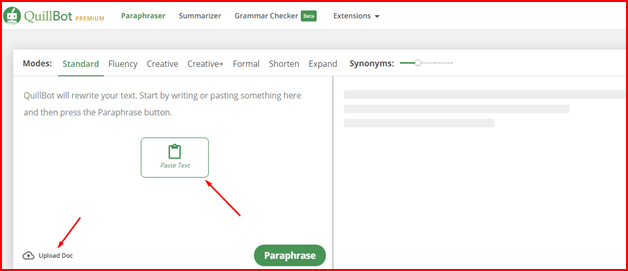
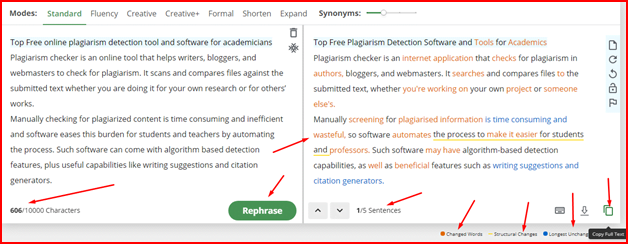
QuillBot

This is undoubtedly my favorite tool because it is a paraphrasing tool. This is quite beneficial when writing the pages of an academic research report, as your article must have a range of grammar.

Additionally, one feature I enjoy about Quillbot is that it paraphrases your statements while maintaining your unique tone. It is accessible as a chrome extension, a Microsoft Word add-in, and a web browser plug-in.

QuillBot is a paraphrasing and summarizing tool that enables millions of students and professionals to significantly reduce their writing time by rewriting any sentence, paragraph, or article using state-of-the-art artificial intelligence.

Ref-N-Write

Ref-N-Write includes an academic phrase bank with over 20,000 commonly used academic/scientific phrases and templates. This material will be extremely beneficial for non-native English speakers and overseas students looking to improve their academic writing skills. This resource will come in handy for native English speakers who need to paraphrase their material.

Ref-N-Write is an ideal environment for practicing imitation learning and simply drag-and-drop high-quality papers and use the built-in dictionary to check on subject-specific vocabulary and linguistic ideas as you write.

Simply import previously created documents into Ref-N-Write to recycle your text and save time. After recycling, check for self-plagiarism in Ref-N-Write to avoid academic dishonesty.

Turnitin

Turnitin is an online plagiarism detection product help educator maintain academic integrity, expedite grading and feedback, combat plagiarism, and improve student results.

Typically, students post their papers directly to the service, which teachers can access. Additionally, teachers may upload student papers to Turnitin as individual files, in bulk, or as a ZIP file.

Additionally, teachers can configure assignment analysis options so that students can see the system’s “originality reports” before submitting their work. Additionally, a peer-review option is offered.

This article has come to an end with the discussion of many online tools and software for academic writing. We hope you may now readily use these resources online and improve your academic writing ability. KRS is an academic collaborative research platform that supports your professional development by routinely releasing new content.

If this is your first time visiting our site, we invite you to share and subscribe to help us spread the news. To receive extra assistance with E-content and research, please visit our website or email us at info@kressup.com to arrange a complimentary consultation.

Please share this article if you find it useful. Sharing is very important to us

Related articles:

General FAQ related to Proofreading Tools

Research Design And Different Types Of Research Designs Used In Academics

If you are a beginner and are going to start your research, then you need to know about the research design and different types of research designs used in academics.

If not, then in this article we are going to discuss in detail the research design and different types of research designs used in academia, which will help you in your research career.

It is our guarantee that, after reading this article, you can easily set up your research by using an appropriate research design and complete your research successfully.

If you feel any difficulty in your research and academic writing, you can email us.

Introduction

The research design is the framework within which a researcher chooses his or her study, methodologies, and procedures, and it enables researchers to focus on processes that are appropriate for the subject matter at hand and to establish the basis for the success of their investigations.

The research design is the overarching strategy for connecting the numerous components of a study in a coherent and logical manner in order to ensure that the research problem is addressed and solved effectively.

The research design also serves as the blueprint for data collection, measurement, and analysis.

Keep in mind that the research design you should use is dictated by the study’s difficulty and help to carry out research in a positive manner.

Purpose of Research Design

The main purpose of a research design is to establish a framework for examining the causal relationships between independent and dependent variables.

The classic controlled experiment exemplifies a well-designed study and is a method for addressing a research subject.

The research design grew into a technique of research that includes a strategy for carrying out that plan.

While research design and methodologies are distinct, they are intimately related, because sound research design ensures that the data you collect will help you answer your research question more successfully and briefly discuss the matter of concern.

List of 16 Top Research Designs Used In Academic Research

The research design mentioned below is considered a good and top-level design to conduct research experiments and all are good in accuracy and quality, hence recommended for research purposes. 

1. Design of Action Research

The principles of action research design follow a distinct cycle in which an exploratory position is initially taken, followed by the development of knowledge of a problem and the formulation of plans for some type of strategy.

Then the intervention of the “activity” in action research occurs, during which significant observations are gathered in a variety of ways.

The new interventional tactics are implemented, and this cyclical process is repeated until enough comprehension of or a viable implementation solution for the problem is obtained.

The procedure is iterative or cyclical in character and is designed to promote a deeper understanding of a specific situation by beginning with the conceptualization and particularization of the problem and progressing through many treatments and evaluations.

2. Design of Case Study

A case study is a detailed examination of a research problem, as opposed to a broad statistical survey or a complete comparative investigation. It is frequently used to condense a large body of information into one or a few easily researched examples.

Additionally, the case study research design is advantageous for determining if a theory or model applies to real-world occurrences. It is a beneficial design when little information about an issue or phenomenon is available.

3. Design of Causal Research

Causality studies can be viewed as an attempt to comprehend a phenomenon using conditional statements of the form “If the first X, then Y.” This type of research is used to ascertaining the effect of a certain modification on pre-existing norms and assumptions.

The majority of social scientists seek causal explanations that correspond to the results of tests of hypotheses.

A causal effect arises when fluctuation in one phenomenon, an independent variable, causes or results in variation in another phenomenon, the dependent variable, on average.

3. Design of Cohort Studies

This type of research design is often employed in the medical sciences but also in applied social sciences, a cohort study is a research undertaken over a period that involves members of the population from which the subject or representative member comes and who share some commonality or likeness.

Rather than researching statistical occurrence within the overall population, a cohort study makes note of statistical occurrence within a specialized subgroup that is united by the same or similar features relevant to the research subject under investigation.

Cohort studies often collect data through observational methods within a qualitative framework. Cohorts are classified as “open” or “closed.”

4. Design of Cross-Sectional Research

Cross-sectional research designs are defined by three characteristics: the absence of a time dimension; a focus on existing differences rather than on change as a result of intervention; and group selection based on existing differences rather than random assignment.

Cross-sectional designs can only detect variations between or within groups of persons, subjects, or phenomena, not processes of change. As a result, researchers utilizing this strategy can only make very passive assumptions about causal relationships based on their data.

5. Design of Descriptive Research

Descriptive research designs aid in elucidating the who, what, when, where, and how of a given research problem; but a descriptive study cannot conclusively determine why.

The purpose of descriptive research is to elicit information about the existing state of a phenomenon and to describe “what exists” in terms of variables or conditions in a situation.

6. Design of Experimental Research

The experiment research design is defined as a procedure’s blueprint that lets the researcher exert complete control over all variables that could affect the outcome of an experiment. The researcher is attempting to ascertain or forecast what may occur.

Experimental research is frequently employed when a causal link has a time priority (cause before effect), when the causal relationship is consistent (a cause always results in the same effect), and when the correlation is large.

The classic experimental design stipulates the existence of an experimental and a control group. The experimental group receives the independent variable but not the control group, and both groups are measured on the same dependent variable.

Subsequent experimental designs included a greater number of groups and a greater number of measures over a longer period. Control, randomization, and manipulation are all necessary components of true experiments.

7. Design of Exploratory Research

An exploratory research design is used when there are few or no prior studies to refer to or rely on to predict an outcome. The emphasis is on gathering insights and familiarity in preparation for further study or when research challenges are in the pre-investigation stage.

Exploratory designs are frequently used to better understand how to proceed with a study or what methodology would be most effective for gathering information about an issue.

8. Design of Field Research

Often referred to as ethnography or participant observation, field research designs incorporate a variety of interpretative procedures e.g., observation and interviews, that are rooted in qualitative approaches to studying people individually or in groups while they are in their natural environment, as opposed to using survey instruments or other impersonal data collection methods.

The information gathered through observational research is documented in the form of “field notes,” which detail what the researcher really sees and hears while out in the field. Because field research entails the examination of words and observations of behavior, findings do not consist of conclusive statements obtained from numbers and statistics.

Thus, conclusions are produced as a result of an interpretation of facts that highlight recurrent themes, concepts, and ideas.

9. Design of Historical Research

A historical research design’s objective is to gather, verify, and synthesize material from the past in order to establish facts that either support or reject a theory.

It draws on secondary sources and a variety of primary documentary evidence, including diaries, official records, reports, and archives, as well as non-textual sources like maps, photographs, audio, and visual recordings, etc. The constraint is that the sources must be authentic and legitimate.

10. Design of Longitudinal Study

A longitudinal study conducts repeated observations on the same sample throughout time. For instance, longitudinal surveys question the same group of people at regular intervals, allowing researchers to track changes over time and link them to variables that may explain why the changes occur.

Longitudinal study approaches assist identify the direction and magnitude of causal links by describing patterns of change. Each variable is measured over two or more distinct time periods. This enables the researcher to track the evolution of variables throughout time. It is a sort of observational study called a panel study.

11. Design of Meta-Analysis Research

Meta-analysis is an analytical technique for methodically evaluating and synthesizing the results of many individual studies, thereby boosting the overall sample size and the researcher’s ability to examine desired effects.

The objective is not to summarize current information, but to use synoptic reasoning to generate a fresh understanding of a research subject. The primary goals of the meta-analysis are to identify discrepancies in results across studies and to improve the precision with which effects are assessed.

A well-designed meta-analysis is contingent on rigorous adherence to the selection criteria and the availability of data in each study to adequately evaluate their conclusions. Due to a lack of knowledge, the types of analyses and conclusions that can be drawn are severely limited.

Additionally, the greater the dissimilarity between different research results [heterogeneity], the more difficult it is to defend the interpretations that govern a meaningful summary of data.

12. Design of Mixed-Method Research

Mixed methods research is a strategy for examining a research problem rather than a methodology and is defined by a focus on research problems that necessitate comprehension testing of real-world themes, multi-level observations, and cultural impacts;

The deliberate use of complex, detailed research to determine the size and quantity of construction; rigorous qualitative research to obtain meaning and understanding of construction; and the deliberate use of intensive and quantitative research.

13. Design of Observational Study

In some cases where the investigator has no control over the experiment, this sort of study design derives a conclusion by comparing individuals to a control group. Observational designs fall into two broad categories. People are aware that you are watching them when making direct observations.

Unobtrusive measures refer to any technique used to study behavior in which subjects are unaware they are being monitored. An observational study provides valuable insight into a phenomenon and circumvents the ethical and practical obstacles associated with establishing a large, cumbersome research effort.

14. Design of Philosophical Research

Philosophical analysis and reasoning are intended to challenge deeply rooted, frequently intractable, assumptions that underpin a field of study. This approach employs argumentation tools derived from philosophical traditions, concepts, models, and theories to critically examine and critique,

For example, the relevance of logic and evidence in academic debates, the analysis of arguments about fundamental issues, and the discussion of the underlying causes of existing discourse about a research problem. These overarching analytical tools can be framed in three distinct ways.

15. Design of Sequential Research

Sequential research is conducted in a methodical, phased manner, with each stage building on the preceding one until enough evidence is obtained over an interval of time to test your hypothesis.

The sample size is not fixed in advance. After analyzing each sample, the researcher might choose to accept the null hypothesis, the alternative hypothesis, or re-run the study with a different pool of people.

This means that the researcher may collect an infinite number of participants before deciding whether to accept the null or alternative hypothesis. Sequential research, when conducted within a quantitative framework, collects data by sampling approaches and analyses it using statistical methods.

Generally, sequential studies employ samples of individuals or groups of individuals and collect data from each sample using qualitative methods such as interviews or observations.

16. Design of Systematic research

The systematic review or research is a study process that identifies previously published research on a well-defined subject, which is typically generated from a public policy or clinical, practice-based problem.

The design process entails identifying and critically evaluating each identified study’s contribution, analyzing and meticulously synthesizing the data, and reporting the evidence in a form that enables clear judgments about what is and is not known.

A systematic review is not a standard literature review, but rather a self-contained research endeavor that employs previous studies to investigate a clearly stated research subject.

A systematic review is distinguished from other review approaches by the application of specific and stringent standards to the evaluative process of examining existing material.

Read: How to write A literature Review paper II Literature Review Paper structure

Wrapping Up

This is all about this article, which explored various types of research design and their purpose, hope you can now readily distinguish between them and plan your research work appropriately in your academic and research careers.

KressUp is an academic collaborative research platform that supports your professional development by routinely releasing new content.

If this is your first time visiting our website, we invite you to share and subscribe to help us spread the news.

To receive extra assistance with electronic content and research, please visit our website or email us to arrange a complimentary consultation.

If you find this article useful, don’t forget to share it!

Related Articles:

General FAQ Related to Research Design

Q1. What is Research Design

Research Design is a conceptual blueprint in which research exists. With guide. The scholar for his research creates an action plan. Form an overview of the collection, measurement, and analysis of data. 

Q 2. What is the purpose of research design

 The purpose of the study design is to provide a  study program that allows an accurate assessment of the causal relationship between the independent and dependent variables

Q 3. What are the main 4 types of research design

There are four main types of research designs i.e., Descriptive, correlated, causal comparison / quasi-experimental, and experimental studies.

Q 4. What is a good resaerch design

A good research design must always meet the following four conditions: Objectivity, reliability, validity, and generalizability of results.

What Is The National Testing Agency (NTA) And How Does It Function

The Ministry of Human Resource Development (MHRD), which has been renamed the Ministry of Education, Government of India (GOI), established the National Testing Agency

(NTA) is an independent, autonomous, and self-sustaining premier testing agency under the Society Registration Act 1860 for conducting efficient, transparent, and international standards-based tests to assess candidates’ competency and will conduct almost all national level examinations in different domains. 

The National Testing Agency (NTA) was formed as a leading, specialized, autonomous, and self-sustaining testing body for the purpose of administering entrance examinations for admission or for fellowship in postsecondary educational institutions.

Assessing candidates’ competency for admissions and recruiting has always been a difficulty in terms of conforming to research-based international standards, ensuring efficiency, transparency, and ensuring error-free delivery.

The National Testing Agency is tasked with resolving all such challenges by utilizing the best practices in every discipline, from exam preparation to test administration and marking.

To promote educational equity and quality through the administration of research-based, valid, reliable, efficient, transparent, and fair assessments at the worldwide level. The top subject matter experts, psychometricians, information technology delivery, and security professionals will ensure that existing assessment system deficiencies are effectively identified and closed.

The National Testing Agency will establish professional standards for assessments in the country, as well as conduct research on education and professional development.

Read: Top Institute of National Importance in Uttarakhand State

Due to the vast diversity of India, the NTA will successfully communicate with numerous state governments, universities, state education boards, the UGC, AIU, NCTE, NCERT, CBSE, CISCE, and NIOS, among others, to ascertain students’ skills and higher education institution requirements.

The main objective of National Testing Agency (NTA)

  • To conduct quick, transparent, and worldwide standards-based exams to determine a candidate’s competency for admission and recruitment purposes.
  • To conduct research on educational, professional, and testing systems in order to discover knowledge gaps and provide strategies for bridging them.
  • To assist in the development of examination questions by identifying specialists and institutions.
  • To generate, share information, and research educational and professional standards.

List of National level Examination Conducted by NAT in different domains

The national level examinations conducted by NAT in each section are listed below and this list was most recently updated in 2021 and will be updated on a regular basis thereafter.

Joint Entrance Examination (JEE)

The Ministry of Human Resource Development’s (now-renamed Ministry of Education) Department of Higher Education has entrusted the NTA with the responsibility of conducting the Joint Entrance Examination JEE (Main) beginning in 2019.

The Joint Entrance Examination for Mains (JEE Main) is divided into two sections. Paper 1 is used to determine eligibility for admission to undergraduate engineering programs (BE / B.Tech) and is used by NITs, IIITs, other centrally funded technical institutes (CFTIs), and state-funded institutions/universities, as well as JEE IITs to determine the Advanced Entrance Test.

Click to Apply

Common Management Admission Test (CMAT)

The Common Management Admission Test (CMAT) is a national-level entrance examination for admission to management programs offered by institutions around the country.

This Test enables AICTE-accredited participating institutions to identify qualified graduate applicants for admission to their management programs.

Until 2018, the All India Council for Technical Education administered the Test (AICTE) and since 2019, the NTA has been administering this Test.

The NTA will conduct the CMAT-2021. The CMAT is a three-hour computer-based online test that assesses candidates’ competence in a variety of areas, including quantitative techniques, logical reasoning, language comprehension, and general awareness.

All AICTE-Approved Institutions / University Departments / Constituent Colleges / Affiliated Colleges accept the CMAT score.

Click to apply

UGC National Eligibility Test

The National Eligibility Test (NET) is administered by the University Grants Commission (UGC) to determine Indian citizens’ eligibility for Assistant Professorships, Junior Research Fellowships, or a combination of the two, in Indian Universities and Colleges.

Until June 2018, CBSE administered the NET in 84 subjects across 91 cities in the country. Following that, beginning in December 2018, the National Testing Agency will administer the UGC-NET (NTA).

The award of a Junior Research Fellowship (JRF) and/or eligibility for an Assistant Professorship are contingent upon the candidate’s aggregate performance in UGC-NET Papers I and II.

Candidates who qualify solely for Assistant Professorship will not be considered for the JRF award. Candidates who pass the eligibility test for Assistant Professorship are subject to the norms and regulations governing Assistant Professor recruitment at the respective universities/colleges/state governments.

Click to apply

Jawaharlal Nehru University Entrance Test

The National Testing Agency (NTA) was founded as a leading, autonomous, and self-sustaining testing body for the purpose of administering entrance examinations for admission/fellowship in higher educational institutions.

Assessing candidates’ competency for admissions and recruiting has always been a difficulty in terms of conforming to research-based international standards, ensuring efficiency, transparency, and ensuring error-free delivery.

The National Testing Agency is tasked with resolving all such challenges by utilizing the best practices in every discipline, from exam preparation to test administration and marking.

The Jawaharlal Nehru University was established in 1969 by the Jawaharlal Nehru University Act 1966, (53 of 1966). The University’s strategy has been to develop policies and programs that will distinguish JNU as a distinct contribution to the nation’s higher education resources.

Admission to JNU is determined by a candidate’s performance in the All India Level Entrance Examination. For more information, please refer to the e-prospectus on the university website.

Click to apply

ICAR’S All India Entrance Examination

From 2019, The Indian Council of Agricultural Research (ICAR) has assigned NTA with the responsibility of administering the All India Entrance Examination for the admission of undergraduate, postgraduate, and doctoral programs at the AU, as well as for the awarding of scholarships and fellowships.

Since 2019, the Indian Council of Agricultural Research (ICAR) has entrusted the NTA with the task of conducting All India Entrance Examinations for admission to undergraduate, postgraduate, and doctoral programs in AUs, as well as the provision of scholarships and fellowships.

In India, the ICAR-AU system comprises 75 agricultural universities: 64 State Agricultural, Veterinary, Horticultural, and Fisheries Universities (SAUs), four ICAR-DUs (IARI, IVRI, NDRI, and CIFE), three Central Agricultural Universities (CAU, Imphal, Dr. RPCAU, Pusa, and RLB CAU, Jhansi), and four Central Universities (CUs) with a Faculty of Agriculture (BHU, AMU, Viswa Bharati, and Nagaland University).

India’s National Agricultural Research and Education System (NARES) is one of the largest in the world, annually enrolling over 15,000 graduates, 11,000 post-graduates, and 2,500 Ph.D. students in a variety of agricultural and allied sciences areas.

Click to apply

Hotel Management Joint Entrance Examination

National Council for Hotel Management & Catering Technology (NCHMCT) was established in 1982 as an autonomous agency under the Ministry of Tourism, Government of India, to oversee the growth and development of hospitality management education in the country. The Council governs academics who teach in the subject of hospitality education and training at its affiliated institutes.

In collaboration with the Indira Gandhi National Open University, the NCHMCT-affiliated institutes provide a B.Sc. (Hospitality & Hotel Administration) curriculum. The three-year (six semesters) program provides students with the necessary skills, knowledge, and attitude to effectively perform supervisory tasks in the hospitality industry.

Admission to the program is determined by the results of the NCHM JEE test. The NCHM JEE score is recognized by all participating institutes for admission to their respective B.Sc (HHA) programs.

The NCHM JEE-2021 will be conducted online by NTA (Internet-based).

Click to apply

Study Web Of Active Learning By Young And Aspiring Minds (SWAYAM)

This is accomplished using a platform that enables the hosting of all classroom-based courses from Class 9 through post-graduation to be accessed by anyone, anywhere, and at any time.

All courses are interactive, taught by the greatest teachers in the country, and are completely free to all students. Over 1,000 highly selected faculty and teachers from across the country contributed to the development of these courses.

Click to apply

SWAYAM’s courses are divided into four quadrants: (1) video lectures, (2) carefully prepared reading material that may be downloaded or printed, (3) self-assessment tests via tests and quizzes, and (4) online discussion forums for clarifying problems. The learning experience has been enhanced using audio-video, multimedia, and state-of-the-art pedagogy/technology.

Nine National Coordinators have been chosen to ensure the highest quality material is generated and delivered. They are as follows:

  • For self-paced and worldwide courses, AICTE (All India Council for Technical Education)
  • Engineering NPTEL (National Program for Technology-Enhanced Learning)
  • UGC (University Grants Commission) for post-graduate education in non-technical fields
  • For undergraduate education, CEC (Consortium for Educational Communication)
  • For school education, NCERT (National Council of Educational Research and Training)
  • For school education, NIOS (National Institute of Open Schooling)
  • IGNOU (Indira Gandhi National Open University) is a distance education institution for out-of-school students.
  • For management studies, IIMB (Indian Institute of Management, Bangalore)
  • Teacher Training Program at NITTTR (National Institute of Technical Teachers Training and Research)

While SWAYAM courses are provided free of charge to learners, anyone interested in earning a SWAYAM certificate must register for the final proctored tests, which are offered for a price, and attend in-person at designated centers on certain dates.

Certificate eligibility will be stated on the course website, and learners will receive certificates only if they meet this requirement. Universities/colleges that accept credit transfers for these courses may do so using the grades/certificates earned in these courses.

National Eligibility Cum Entrance Test

The National Eligibility Cumulative Entrance Test (NEET) (UG) will be conducted by the National Testing Agency every year in Pen and Paper mode in 13 languages as a uniform entrance examination for admission to MBBS/BDS/BAMS/BSMS/BUMS/BHMS and other undergraduate medical courses in approved/recognized Medical/Dental/AYUSH.

The NEET (UG) 2021 examination will be conducted in the following languages: English, Hindi, Assamese, Bengali, Gujarati, Kannada, Malayalam, Marathi, Odia, Punjabi, Tamil, Telugu, and Urdu.

The NEET (UG) result may be used by various Central and State Government entities in compliance with their own eligibility criteria/other standards/applicable regulations/guidelines/rules. Additionally, the result data may be used for B.Sc. (H) Nursing courses in compliance with their individual eligibility criteria/other standards/applicable regulations/guidelines/rules.

Click to apply

Graduate Pharmacy Aptitude Test

Graduate Pharmacy Aptitude Test (GPAT) is a National Level Entrance Examination for admission to Master of Pharmacy (M. Pharma) programs. Until 2018, the All India Council for Technical Education administered the Test (AICTE) and since 2019, the NTA has been administering this Test.

This Test enables universities to identify qualified Pharmacy Graduates for admission to Masters of Pharmacy (M.Pharma) programs. The GPAT is an online computer-based test and its scores are also used to award a few scholarships and other forms of financial help in the field of pharmacy.

The GPAT Score is accepted by all AICTE/PCI-accredited / affiliated University Departments / Constituent / Affiliated Colleges / Institutions.

Candidates must apply separately with their GPAT Score to the desired GPAT participating institutions. The candidate’s final selection will be based on his or her performance in the GD and PI and is recommended to review the admission policies of each GPAT participating institution on their individual websites.

Click To Apply

IIFT Entrance Examination

The Indian Institute of Foreign Trade (IIFT) was founded in 1963 as an autonomous entity under the Ministry of Commerce and Industry with the mission of contributing to India’s foreign trade sector’s skill development.

In 2002, the Institute was designated as a “Deemed to be University.” In 2005 and 2015, the National Assessment and Accreditation Council (NAAC) designated IIFT as a Grade ‘A’ institution.

MBA (International Business), IIFT’s flagship curriculum, is a six-trimester residential general management degree with a concentration in international business. There are campuses of IIFT in Delhi, Kolkata, and Kakinada.

NTA will administer the entrance exam for admission to IIFT’s MBA(IB) program in 2022–23.

Click to apply

IGNOU Ph.D. And Open mat (MBA) Entrance Examination

The National Testing Agency (NTA) was founded as a leading, autonomous, and self-sustaining testing body for the purpose of administering entrance examinations for admission/fellowship in higher educational institutions.

The National Testing Agency (NTA) is tasked with resolving all such challenges by utilizing the best practices in every discipline, from exam preparation to test administration and marking. Among other tests, NTA will administer the Ph.D. and OPENMAT (MBA) programs, as well as IGNOU’s entrance examinations for 2020 admissions; however, the test dates have not yet been finalized and will be announced.

Click to apply

JOINT CSIR – National Eligibility Test

NTA has been entrusted by the Council of Scientific and Industrial Research (CSIR) with the responsibility of conducting the CSIR-UGC NET in CBT mode. The CSIR-UGC NET exam is used to evaluate eligibility for Junior Research Fellowships (JRF) and Lectureship/Assistant Professor positions in Indian universities and colleges, subject to meeting the UGC’s eligibility criteria.

CSIR-UGC NET Fellowships are available in universities/IITs/PG colleges/government research facilities, including those of the CSIR, and research and development establishments of recognized public or private sector industrial organizations, as well as other recognized institutions.

The test is only open to genuine Indian citizens. In India, the CSIR-UGC NET Fellowship is available. The initiative is geared toward the development of the nation’s science and technology workforce.

Click to apply

Delhi University Entrance Test

The National Testing Agency (NTA) is charged with conducting all entrance tests at Delhi university and fixing all these issues using best practices across all disciplines, from exam preparation to test administration and marking.

Among other tests, NTA will administer the Delhi University Entrance Test for admissions to postgraduate, and Ph.D. programmers; however, the test dates have not been set and will be publicized on the university’s website.

Click to apply

This concludes this article with these national examination guidelines; we hope you can now easily access and search for any national examination through a single portal. KRS is an academic and research platform that helps in your professional development by regularly delivering the latest content, so stay connected.

If this is your first visit to our site, we encourage you to share and subscribe in order to assist us in spreading the word. To obtain additional assistance with electronic content and research, please visit our website or contact us at info@kressup.com to schedule a complimentary consultation.

If you find this article useful, don’t forget to share it!

Related Articles:

General FAQ Related to National Testing Agency

Social Sector Fellowships In India For Professional And Academic Development

If you are going through a financial problem and would like to continue your studies but are unable to do so,

You’ve come to the correct place because this article includes a list of more than 20 fellowships in the social sectors that can assist you with your financial problems

You can simply apply for any of them after reading the guidelines and the post that appeals to you!

The social sector fellowships are the fellowship cum schemes started by various private organizations, and some by the Government for the welfare of the society for commercial, professional, and academics purpose. The social sector fellowship programs and schemes help students, researchers, and academicians financially and produce data by doing research and work for societal benefit, these social sector fellowships are accessible within the country and outside India.

This list of social sector fellowships was most recently updated on June 2021 and will be updated on a regular basis thereafter and available in each section are listed alphabetically.

List of various Social sector fellowships available in India

 52 Parindey Fellowships

The 52 Parindey Fellowship is an 18-week social sector fellowships program for students interested in investigating alternative livelihoods and dreaming of a more just and sustainable world.

Eligibility for Fellowships: To apply for this fellowship: Applicants must be between the ages of 18 and 30; employed or seeking employment, and interested in traveling as a pedagogical tool for learning.

For more detail click on Parindey Fellowship

Aavishkar Fellowship

The Aavishkaar fellowship’s purpose is to evolve an approach to investment that nurtures entrepreneurs in developing businesses capable of generating economic returns while also helping humanity sustainably. The fellowship is for a period of two years and will collaborate with schools to deliver Aavishkaar-developed science and math programs to students, teachers, and the public.

Eligibility for Fellowships:  A bachelor’s degree in mathematics or science (or a closely related discipline), a positive attitude toward learning and have the capacity for problem-solving, ability to communicate eloquently and strongly in Hindi and English.

For more detail click on Aavishkar Fellowship

Acumen Regional Fellows India

This social sector fellowships program in India equips twenty unfamiliar people with the knowledge, network support, and practical wisdom needed to make constructive change in society. Throughout the year, the Fellows retained their current positions while attending five-week conferences where they received tools, training, and a place to explore new ideas, accelerate their impact, and build a strong network of social leaders from their region and around the world and the fellowship is available from time to time for one year.

Eligibility for Fellowships: Fellows must be fluent in English and demonstrate a commitment to alleviating poverty and injustice in their community through their work. Fellows keep their present jobs while attending five multi-day seminars throughout the year.

For more detail click on Acumen Regional Fellows India

AIF William J. Clinton Fellowship for Service in India

AIF The American India Foundation’s William J. Clinton is a social sector fellowship for Service in India is a ten-month or full-time fellowship. The AIF Service Corps put young Americans in India to assist on disaster relief and long-term development projects.

Eligibility for Fellowships: The US or Indian citizens of an age range 21-34 years, with a bachelor’s degree and volunteer service experience. The fellowship program, which connects fellows with development organizations.

For more detail click on AIF William J. Clinton Fellowship for Service in India

Anant Fellows

Anant Fellows is created an accepting atmosphere for individuals with a range of gender identities within each cohort. Our 120 fellows from over 14 countries are encouraged to show empathy, leadership, and collaboration with one another and their community. The fellowship is one year in duration.

Eligibility for Fellowships: A bachelor’s or master’s degree in any field is necessary, and the fellowship trains and develops solutionaries who design, create, and maintain a more equitable and sustainable built environment in India.

For more detail click on Anant Fellowship

Arts for Good Fellowship

The Arts for Good (A4G) social sector fellowship is held annually to support the development of the A4G ecosystem by cultivating a community of practice that leverages the potential of arts and culture to effect positive social change. The fellowship brings together individuals from many sectors, including artists, arts administrators, and social sector experts. Fellowship’s duration for one year in Singapore and join a global alumni network upon completion of the program, where they can continue to interact, support, and engage with one another.

Eligibility for Fellowships: Minimum two years of professional/volunteer experience, especially in the field of education / social work; past experience of working with the community through the arts, demonstrates a strong interest in arts-based social impact programs; expertise in English; any age or nationality; among other things, the relationship will focus on the theme of youth and youth empowerment, with an emphasis on mental health and well-being.

For more detail click on Arts for Good Fellowship

Ashoka Fellowship

Through a rigorous selection process, Ashoka was introduced to a life-long social sector fellowship in which each member is committed to championing new patterns of social good. The Ashoka Fellows are among the world’s most accomplished social entrepreneurs, championing game-changing innovative ideas that benefit everyone and enhance the lives of millions. Ashoka Fellows pioneer new paths for human flourishing in this new environment, while also giving answers and serving as ultimate role models. The fellowship is for three years (with lifetime membership).

Eligibility for Fellowships: Entrepreneurs with a game-changing plan that addresses significant social or environmental concerns who are compensated for three years of full-time effort on their venture. Additionally, they have access to a network of like-minded social entrepreneurs, as well as wellness resources and chances for peer learning.

For more detail click on Ashoka Fellowship

Ashoka Young Changemakers

Ashoka Young Changemakers is a global network of influential young people committed to transforming the world into one in which everyone is a changemaker. The goal of this social sector fellowship is to enable children to make a positive difference in their communities, resulting in more inclusive, just, and sustainable communities. This is performed through capacity development, mentoring, and grantmaking. The fellowship is for a period of one year (plus life-long membership)

Eligibility for Fellowships: Under the age of 20, founder/co-founder of a community-based initiative addressing social or environmental issues, and Young Changemakers receive mentorship, access to curated opportunities, media support, leadership development, and invitations to Ashoka events and programs; and are expected to lead local-level initiatives to empower young people.

For more detail click on Ashoka Young Changemakers

Asia Foundation Development Fellows Program

The Asia Foundation is a non-governmental international development organization committed to improving the lives of people living in a rapidly developing Asia. Through our offices in 18 countries, we address the fundamental issues confronting Asia in the twenty-first century, armed with deep local understanding and six decades of experience. We accomplish this by enhancing governance, boosting economic opportunity, enhancing environmental resilience, empowering women, and fostering international cooperation. The fellowship is for a one-year duration only.

Fellowship Eligibility: Must have demonstrated experience in one of the following areas: governance and law, economic development, women’s empowerment, the environment, or regional cooperation; must be under the age of 40; must be fluent in English; and must be a citizen of Afghanistan, Bangladesh, Cambodia, China, India, Indonesia, Japan, Korea, Laos, Malaysia, Mongolia, Myanmar, Nepal, Pakistan, Philippines, Singapore, Sri Lanka, Thailand, or Timor-Leste.

For more detail click on Asia Foundation Development Fellows Program

Atlantic Fellows for Social and Economic Equity

The Atlantic Fellows for Social and Economic Equity program, housed at the London School of Economics and Political Science’s International Inequalities Institute, is building a catalytic, values-driven global community of individuals committed to collectively advancing social and economic justice for all. The Atlantic Fellows for Social and Economic Equity initiative, launched in 2017 with a landmark contribution from The Atlantic Philanthropies, will support over 400 Fellows from the global South and North over the next two decades. The fellowship is of a one-year duration in the UK.

Fellowship Eligibility: Fellowship Bachelor’s degree in any subject; at least five years of related experience; must meet the LSE’s standard English Language Requirement and Residential fellows pursue a one-year full-time M.Sc in Disparities and Social Sciences at LSE; non-residential fellows do research on disparities over a 12- to 18-month period through a combination of AFSEE modules and project work while remaining in their community.

For more detail click on Atlantic Fellows for Social and Economic Equity

Azim Premji Foundation Fellowship

Azim Premji University was formed as a not-for-profit university in Karnataka by the Azim Premji University Act 2010 and is recognized by the University Grants Commission (UGC) under Section 2F.

The University was founded on the knowledge and expertise gained during the Azim Premji Foundation’s decade-long engagement in basic education. The University was formed as one of the Foundation’s primary solutions to the limits and obstacles it met both internally and externally, and as part of a broader strategy to contribute to the country’s education and development sectors. The fellowship is two years in duration and is full-time. Duration

Fellowship Eligibility: 4-10 years of work experience; bachelor’s degree in any discipline; proficiency in English and one of the following languages, Hindi, Kannada, Tamil, or Telugu; under 35 years of age; and fellows teach in government schools in rural India to gain a better understanding of the public education system’s ground realities.

For more detail click on Azim Premji Foundation Fellowship

Bhumi Fellowship

The Bhumi Fellowship is a two-year, fully financed, full-time fellowship program for new graduates who aim to improve educational quality in India and contribute to India’s educational quality improvement. The fellowship is for two years time only

Fellowship Eligibility: Recent graduates who are willing to commit two years and are fluent in reading and speaking Tamil on a paid, full-time basis are eligible. Graduates contribute to the overall improvement of a school.

For more detail click on Bhumi Fellowship

Buddha Fellowship

The Buddha Fellowship Program (BFP) is a one-of-a-kind project dedicated to developing rising leaders from India’s premier educational institutions, including IIT. These fellowships help families survive in the last mile by providing jobs or micro-entrepreneurship, or by ensuring enhanced health, education, or financial inclusion services, or by providing improved energy solutions.  The fellowship is for a two-year period.

Fellowship Eligibility: Recent IIT/IIM graduates, professionals, or entrepreneurs; the fellowship provides fellows with incubation space and mentorship sessions to aid them in becoming development entrepreneurs.

For more detail click on Buddha Fellowship

Centre for Humanitarian Data (UNOCHA) Fellowship

The Humanitarian Data Exchange (HDX) which is stared in 2014 and is an open platform for data exchange between humanitarian organizations and those affected by catastrophes and intends to increase the accessibility and usability of humanitarian data for research. The Centre for Humanitarian Data at OCHA’s headquarters in The Hague administers and is managed by OCHA is a United Nations Secretariat body tasked with bringing together humanitarian actors in order to coordinate responses to disasters. The fellowship program will take place in The Hague, Netherlands, from June to July 2020.

Fellowship Eligibility: A bachelor’s degree and at least five years of relevant experience, or a master’s degree and at least three years of relevant experience Residential fellows will gain exposure to several facets of the humanitarian system and will work on an independent project addressing a topic connected to the usage and use of data in the sector. This year’s three focal points are Data Storytelling (Education), Predictive Analytics, and Statistics.

For more detail click on Centre for Humanitarian Data (UNOCHA) — Data Fellows Programme

Charles Wallace India Trust Fellowship in Creative Writing

The Charles Wallace India Trust (CWIT) is a scholarship fund dedicated to the arts, historical conservation, and humanities. The CWIT was created as an English charity in 1981 as a result of an agreement between the Indian and British governments. The British Council India provides essential advice and administrative support to CWIT. The CWIT’s most recent annual reports and financial statements, as well as a list of scholarships and grants awarded, are available on the Charity Commission’s website. The fellowship will last between 2-3 months in the United Kingdom.

Fellowship Eligibility: Indian individuals living in India between the ages of 25 and 45; postgraduate degree and/or at least five years of experience; the fellowship permits academics, writers, and translators to spend several months at host universities, conducting their own research and connecting with colleagues.

For more detail click on Charles Wallace India Trust Fellowship in Creative Writing

Chief Minister Fellowship Program (Maharashtra)

Maharashtra’s Chief Minister, Shri. Devendra Fadnavis has launched a mission to recruit recent graduates into the administration. The objective is to capitalize on the youth’s vigor, passion for technology, and fresh perspectives. In exchange, Fellows acquire valuable work experience in the public sector. The Fellowship Program is designed to provide valuable experience to young individuals engaged in social development. This program is designed to educate young leaders, enhance their knowledge of public administration, and prepare them for future leadership roles. The fellowship program lasts 11 months and pays a monthly salary of Rs. 40,000.

Fellowship Eligibility: Applicants must be between the ages of 21 and 26 years of age; first-class degree; at least one year of professional experience; basic fluency in Marathi; and this program is meant to give fellows with knowledge of government and policymaking.

For more detail click on Chief Minister Fellowship Program (Maharashtra)

Chief Minister’s Good Governance Associates Program (Haryana)

The CMGGA program is a good partnership between the government of Haryana and the University of Ashoka aimed at improving governance and building a wider influence on the ground level. Since 2016, the program has provided a platform for 25 young individuals to work closely with the Chief Minister’s Office to improve the state’s public service delivery through increased openness, accountability, and efficiency. The fellowships are awarded for a period of one year.

Fellowship Eligibility: Indian citizens under the age of 28 with a bachelor’s degree and one year of professional experience/postgraduate degree; fluency in English and Hindi Fellows serve as a liaison between the Chief Minister’s Office and district administrations.

For more detail click on Chief Minister’s Good Governance Associates Program (Haryana)

Chief Minister’s Urban Leaders Fellowship (CMULF)

The Delhi Government has announced the Chief Minister’s Urban Leaders Fellowship (CMULF) program, which offers a unique opportunity for young leaders from across India to work within the Delhi government on some of the country’s most pressing urban challenges and gain firsthand experience of what it means to “make change happen.” The Fellowship is open to exceptional and committed young people under the age of 35 from across the country. This CMULF program is designed for individuals who are committed to public service and willing to work for two years. The fellowship is two years in duration.

Fellowship Eligibility: Must be under the age of 35 and possess a Ph.D., post-graduate degree, MBBS, LLB, and Post-Graduate.” Professionals such as Chartered Accountants, Architects, and Company Secretaries who are registered with their respective professional bodies are eligible to apply for Fellows, with work experience.

For more detail click on Chief Minister’s Urban Leaders Fellowship (CMULF)

Citizens for Public Leadership Fellowship

Citizens for Public Leadership Fellowship (CPL) is an apolitical, non-profit organization dedicated to supporting progressive public policies in India and developing our youth’s capacity to assume leadership roles in the public sphere. The CPL was created by a group of outstanding college students interested in actively contributing to nation-building while studying in the United States. The 12-month fellowship will be performed entirely online.

Fellowship Eligibility: To be eligible, applicants must be between the ages of 20 and 35 (as of October 2, 2020); hold a bachelor’s degree (as of October 2, 2020); and be an Indian citizen. The fellowship offers a two-pronged approach, focusing on both skill development and intellectual comprehension of a range of policy concerns.

For more detail click on Citizens for Public Leadership Fellowship

Coalition for Disaster Resilient Infrastructure (CDRI) Fellowship

Coalition for Disaster Resilient Infrastructure (CDRI) Fellowship Program aims to cultivate a global network of practitioners who embody these characteristics. The CDRI Fellowship Program’s objective is to advance research and innovation in disaster-resistant infrastructure (DRI). It accomplishes this by assisting practitioners, academics, and community leaders engaged in related endeavors. The fellowship has a one-year duration.

Fellowship Eligibility: Open to candidates from CDRI member countries; students, academics, and researchers; and practitioners from government agencies, service organizations, nonprofits, and for-profit businesses. Each approved research proposal will receive a one-time award of up to USD 10,000 (or equivalent) to support and stimulate research on catastrophe resilient infrastructure.

For more detail click on Coalition for Disaster Resilient Infrastructure (CDRI) Fellowship

Cordes Fellowship

Cordes Fellowships enable extraordinary social entrepreneurs and nonprofit leaders working in poverty alleviation and economic justice to participate as Delegates in the Opportunity Collaboration, a four-day strategic retreat focused on issue solving. Cordes Fellows participate in the whole Opportunity Collaboration and all Delegate sessions. The all-inclusive Cordes Fellowship covers all on-site expenses, including room and meals (5 nights lodging, 3 meals per day), gratuities, and airport transportation. Each Fellow is responsible for their own round-trip airline tickets. The fundamental factor is financial need. The duration of the fellowship is only five days.

Fellowship Eligibility: Executives from for-profit and nonprofit organizations who have shown a commitment to social justice and poverty eradication.

For more detail click on Cordes Fellowship

CSIP Research Fellowship

Ashoka University is a private, nonprofit institution devoted to the Liberal Arts. It offers undergraduate and graduate programs in the humanities, social sciences, and fundamental natural sciences. While philanthropy in India is gaining traction, pertinent research remains limited. As a result, Ashoka University’s Centre for Social Impact and Philanthropy (CSIP) is introducing a research fellowship with the goal of expanding this sector, improving research capacity, and producing high-quality, rigorous results. The fellowship duration is of only nine months.

Fellowship Eligibility: The applicant or small groups of people can join, having several years of professional research experience who are based in India full-time and can conduct rigorous research and producing a publishable working paper during the fellowship period.

For more detail click on CSIP Research Fellowship

Dalberg Design Fellowship

Dalberg Design is the only design studio integrated within a strategic consulting business dedicated only to social impact. Dalberg Design Fellowship is building a global network of local experiences and recruits fellows to join our studios each year. We are seeking passionate and meticulous human-centered designers for a two- to five-month contract. The fellowship is only three months long.

Fellowship Eligibility: Eligibility requirements include experience working with social impact/design organizations, the capacity and willingness to travel, and competence in written and spoken English (French, Spanish, Swahili, Hindi are a plus)

For more detail click on Dalberg Design Fellowship

Data Fellows Programme

The Centre’s Data Fellows Program began in 2018 and connects partners to emerging fields of data-related knowledge that have the potential to improve humanitarian response and further the Center’s mission. The program’s structure exposes Fellows to several parts of the humanitarian system while allowing them to focus their time and energy on a specific project related to the use and impact of data in the sector. The Fellows’ work will be directed on three areas: data journalism, predictive analytics, and strategic communication. The fellowship is for a two-month period.

Fellowship Eligibility: Graduates with four years of relevant experience and postgraduates with two years of relevant experience are eligible.

For more detail click on Data Fellows Programme

Delhi Assembly Research Centre

The Legislature of the National Council of the Capital of Delhi (Delhi Assembly) proposed the establishment of a ‘Delhi Assembly Research Center (DARC)’ to provide fellowship and establish a database of relevant research and reference materials for lawmakers and other young Delhi youth and talented youth and the duration of the fellowship is of two years.

Fellowship Eligibility: Fellows must have a master’s degree and one year of experience, while Associate Fellows must have a bachelor’s degree and one year of experience. Fellows work with MLAs, Legislative Assembly Procedures, and various ministries within the Delhi Government.

For more detail click on Delhi Assembly Research Centre

Development Alternative’s Fellowship

The Development Alternatives fellowship program is aimed to sharpen young people’s talents and shape their thinking about the social sector before they embark on a well-defined career path.  The fellowship’s duration One year of full-time work and is an open-ended course that begins on the first day of each month except February, March, April, and May.

Fellowship Eligibility: Graduates and postgraduates are eligible to work and receive mentorship in one of six subject areas (natural resource management; basic needs fulfillment; employment generation; enterprise development; strengthening institutions; clean technology)

For more detail click on Development Alternative’s Fellowship

Digital Civil Society Lab Non-resident Fellowship

The Digital Civil Society Lab (DCSL)  is a Non-resident Fellowship program that empowers social sector leaders by giving time for them to develop ideas that will improve civil society. The program’s goal is to generate and promote a varied range of initiatives proposed and directed by fellows. The fellowship provides time, space, expertise, and financial support to aid fellows in developing ideas into prototypes or activities, and fellows join a cohort that thrives as a result of their access to an intellectual community.  the fellowship is only one year in duration in US.

Fellowship Eligibility: Must be over the age of 18 and be eligible to obtain a visa. The fellowship encourages social sector leaders to devote time to developing ideas into prototypes or actions. All fellows will be responsible for conceptualizing, proposing, and implementing projects in one of two fellowship tracks: Civil society in the digital age or race and technology.

For more detail click on Digital Civil Society Lab Non-resident Fellowship

Disom- The leadership school

The Leadership School is a movement dedicated to the unwavering and sustainable building of a tribe of ‘Servant Leaders’ for our country. The school provides fellowship to promote modest, compassionate, and gracious leadership in the sharing of responsibilities and decision-making with communities and constituencies. The fellowship will last one year in an entire calendar year

Fellowship Eligibility: Must be at least 21 years of age and possess a working knowledge of English and/or Hindi and Throughout the program, fellows will work on conceptualizing and designing a dream mission (a major problem or gap they will address in their communities), as well as preparing the ecosystem for launch.

For more detail click on Disom – The leadership school

Echoing Green Fellowship

The Echoing Green team is made up of social entrepreneurs, nonprofit advisers, business strategists, data scientists, facilitators, and digital connectors. The organization provides unrestricted seed-stage funding and strategic foundational support to rising leaders committed to good social change, with a focus on social justice, creativity, diversity, and community. The fellowship is for two years.

Fellowship Eligibility: Minimum age of 18 years; fluency in English and a leadership development program for individuals and organizations committed to resolving a significant issue.

For more detail click on Echoing Green Fellowship

Fellowship for Climate Action

The Anant Fellowship for Climate Action is a year-long immersion program in global climate change solutions for climate change solutionaries. It is organized around a mentor-mentee relationship and aims to create a community of climate change trailblazers who interact and cross-pollinate ideas and skills from varied sectors, geographies, and generations. The fellowship will last one year on a part-time basis.

Fellowship Eligibility: Any individual with an interest in adopting climate change solutions and continuing to work will have their curriculum and mentorship experience tailored to their availability.

For more detail click on

Fulbright-Kalam Climate Fellowship

The Fulbright-Kalam Climate Fellowships are designed to help India and the United States develop the long-term capability to address climate change-related concerns and challenges by bringing together scientific and technological research researchers from India and the United States. The Fellowship is open for climate-related research or teaching activities, or for a mix of research and teaching. The duration of the fellowship is six to twelve months in the United States.

Fellowship Eligibility: Indian citizens with a bachelor’s degree and a minimum of 55% marks; registered for a Ph.D. at an Indian institution/received a Ph.D. within the last four years; fluency in English and required for doctoral/postdoctoral research on climate concerns.

For more detail click on Fulbright-Kalam Climate Fellowship

Fulbright-Nehru Fellowships

The Fulbright-Nehru Master’s Fellowships are intended to assist outstanding Indians in pursuing master’s degrees at select American colleges and universities in the fields of Arts and Culture Management, including heritage conservation and museum studies; Economics; Environmental Science/Studies; and Higher Education and intended for highly driven individuals who possess leadership abilities. The fellowships are one to two years in duration, In the United States.

Fellowship Eligibility: Indian citizens must possess a bachelor’s degree with a minimum of 55% overall; at least three years of professional job experience; and fluency in English.

For more detail click on Fulbright-Nehru Fellowships

Gandhi Fellowship Program

The Gandhi Fellowship aims to inspire self-motivated students across the country to pursue the uncommon path of an experienced, residential fellowship in order to pioneer, explore, and lead large-scale social change. The fellowship program Two years, residential

Fellowship Eligibility: Graduates/postgraduates; professionals under the age of 26 and four semesters; program emphasizes the development of core competencies and requires fellows to demonstrate their learning and impact.

For more detail click on Gandhi Fellowship Program

German Chancellor Fellowship

The Alexander von Humboldt Foundation’s German Chancellor Fellowship Program is designed for recent university graduates from Brazil, the People’s Republic of China, India, the Russian Federation, South Africa, and the United States of America who possess an international perspective and some leadership experience. The fellowship program In Germany, the duration is one year.

Fellowship Eligibility: Individuals who earned their first degree less than 12 years ago are eligible, and the fellowship is provided for work on a project devised by the applicant with a host in Germany of her choice.

For more detail click on German Chancellor Fellowship

Girish Sant Memorial Fellowship

Girish Sant, a trailblazing energy policy scholar, and public interest advocate died abruptly in February 2012. Prayas and several of Girish’s friends and well-wishers have established a fellowship program to encourage researchers to adopt his principles and approach of high-quality analysis, commitment to social equality, and attention to policy outcomes. The fellowship is for one year.

Fellowship Eligibility: Cannot be enrolled in an academic program; the fellow will work independently on a public interest energy research project that may include a combination of desk research, fieldwork, primary data gathering, and surveys.

For more detail click on Girish Sant Memorial Fellowship

Global Challenges Fellowship Program

The Global Challenges Fellowship brings together scholars from emerging non-Western powers to investigate humanities and social science issues important to the twenty-first century’s most critical public policy challenges. The GCF develops novel types of scientific collaboration and strengthens regional and international partners’ transnational and multidisciplinary engagement. The fellowship is one year in duration.

Fellowship Eligibility: Indian citizens and the initiative encourages researchers and practitioners from different universities and institutes to conduct empirical studies and engage in dialogue with policymakers.

Global Policy, Diplomacy, and Sustainability (GPODS) Fellowship

The Global Fellowship is dedicated to developing future leaders at the crossroads of public policy, diplomacy, and climate change. Global Policy, Diplomacy, and Sustainability (GPODS) is a curriculum designed to serve as a springboard for public policy practitioners, business professionals, energy and climate change specialists, entrepreneurs, academics, scholars, and strategic analysts. The fellowship is of only for 3 months, online

Fellowship Eligibility: English proficiency is required, as is a commitment to finish the program from October to December. Developing leadership abilities through experience

For more detail click on Global Policy, Diplomacy, and Sustainability (GPODS) Fellowship

Goonj  Fellowship

Goonj strives to establish an equitable relationship of strength, nourishment, and dignity between cities and villages across the country by utilizing underutilized urban material as a catalyst for dignity-based development. The duration of the fellowship is only one year

Fellowship Eligibility: Between the ages of 21 and 30, a graduate in any discipline, and an Indian citizen

For more detail click on Goonj Fellowship

Head Held High (HHH) Fellowship

Head Held High Foundation is a Bangalore-based nonprofit organization dedicated to addressing humanity’s oldest and most pervasive problem: poverty. It does so through evaluation, social protection, financial inclusion, training, skill-building, and livelihood creation. The Eight months of the fellowship, with two months of training in Tumkur, Karnataka

Fellowship Eligibility: 18-30 years of age; Indian or international citizen; the major task of Fellows is to serve as trainers providing the HHH transformative program to rural adolescents at partner centers.

For more detail click on Head Held High (HHH) Fellowship

Henry Arnhold Fellowship

Henry Arnhold identifies leaders with promising conservation and climate solutions and assists them in designing and implementing them at scale through Henry Arnhold Fellowship.  The fellowship is for one year (the main event is two-week-long design courses on the coast of California in June of 2020 and 2021)

Fellowship Eligibility:  Professionals who are driven by impact are pioneering effective approaches to protect the environment and ecosystems, reduce climate change, and adapt to the new climate reality.

For more detail click on Henry Arnhold Fellowship

iCFDR Fellowship

The iCFDR Fellowship program is in Delhi, India. The Indian Centre for Development and Rights’ social work fellowship program aims to enhance the lives of children living in slums while also developing the young individuals selected as fellows into exceptional leaders with futuristic and holistic abilities. The fellowship is for one year.

Fellowship Eligibility:  Students in their last year, graduates, and working professionals (21 years or above age) and twelve hours every week: Weekends: seven hours; weekdays, five hours

For more detail click on iCFDR Fellowship

Impulse Model Press Lab Fellowship

Impulse Non-Governmental Organization Network (INGON) is a non-profit organization formed in 1993 by Hasina Kharbhih to address the issue of dangerous migration, exploitation, and human trafficking. The fellows are working against human trafficking extends beyond the eight states of North-East India and into neighboring countries like Nepal, Myanmar, and Bangladesh. The fellowship will last one year and will involve work in Model Press Lab’s One-Year Cross-Border Human Trafficking Journalism Fellowship from India, Nepal, and Myanmar.

Fellowship Eligibility: Indian/Bangladesh/Nepal/Myanmar nationals with 2-3 years of journalism experience; media skills; willingness to work in partner nations.

For more detail click on Impulse Model Press Lab Fellowship

India Smart Cities Fellowship

The India Smart Cities Fellowship is a program sponsored by the Ministry of Housing and Urban Affairs (MoHUA) as part of the Smart Cities Mission. Fellows contribute zeal and vitality to the difficult but rewarding work of implementing cutting-edge, high-impact solutions to critical urban problems. The fellowship is for one year.

Fellowship Eligibility: Fresh graduates/postgraduates with a first division or a minimum of 60% marks; or PhDs; and are under the age of 35. Fellows will assist the Mission Director, SCM, and/or CEOs of selected Smart Cities with analytics, research, documentation, and independent assessment, among other things.

For more detail click on India Smart Cities Fellowship

Indian Administrative Fellowship

The Indian Administrative Fellowship (IAF) is a program for exceptional achievers from varied sectors who wish to make a positive difference in millions of lives by improving the reach and efficiency of large-scale government projects under the leadership of visionary civil officials. The fellowship is only for a period of 18 months.

Fellowship Eligibility: 10+ years of successful achievement and ability in problem-solving, persuading, and leading large-scale initiatives Fellows will collaborate with the government to develop and implement comprehensive strategies and initiatives for achieving sustained growth across state-level indicators.

For more detail click on Indian Administrative Fellowship

Indicorps Fellowship

Indicorps, a global nonprofit organization, grants Fellowships to individuals of Indian ancestry to work on sustainable development projects and its approach to growth necessitates a willingness to question one’s fundamental ideas about development and oneself. It takes a strong dedication to make a difference and bringing about positive change in a community.

Fellowship Eligibility: Indian citizens with a college/university degree or five years of equivalent work experience; fluency in English. Fellowships for young professionals of Indian ancestry who wish to make a significant impact on India.

For more detail click on Indicorps Fellowship

Indus Action Policy Cation Fellowship

Indus Action was created by Harvard undergraduates with the goal of resolving India’s systemic issues through public policy. The organization’s mission is to highlight the significant gaps between policy formulation and grassroots implementation. Additionally, it tries to mobilize public resources and empower communities in order to close that divide.
The fellowship is only for one year.
Fellowship Eligibility: Graduates with at least three years of work experience; good data analytical skills; strong technical skills for managing the MIS system

For more detail click on Indus Action’s Policy Action Fellowship

International Innovation Corps (IIC) India Program

International Innovation Corps (IIC) India places teams of diverse young professionals with government and leading social entrepreneurs in India. The Fellows are assigned to a variety of development projects and will use their innovative ideas to solve crucial development concerns.  The minimum 12-month fellowships are available on projects scoped for 1-3 years

Fellowship Eligibility: Graduate with a minimum of two years of work experience; under the age of 29.

For more detail click on International Innovation Corps (IIC) India Program

This article contains a list of different fellowships, we hope you can now easily check and identify, and apply for these fellowships as per your need, KRS is an academic cum research platform that aids in your professional development by regularly delivering fresh content, so stay connected.
If this is your first time visiting our site, we invite you to share and subscribe to help us spread the news. For extra assistance with E-content and research, please visit our website or contact us at info@kressup.com to arrange for a complimentary consultation

If you find this article useful, don’t forget to share it!

Related Articles:

General FAQ Related to Social Sector Fellowships

What Are Conflicts Of Interest In Scientific Writing?

Conflicts of interest (COIs), also called competing interests, arise when external factors can be properly defined as interfering with the neutrality or purpose of research work or its evaluation.

. This can happen at any time during the research cycle, including during the research experimental phase or at the writing of the manuscript, or during the process of translating this text into an article published in a reputable journal.

If you are uncertain, declare a potential conflict of interest or consult the editorial office. Sanctions may apply to unregistered interests. Submissions with unresolved conflicts of interest may be rejected if they are discovered later.

Published research articles may require re-evaluation, the publication of a corrigendum, or, in extreme situations, publication retraction in research work. For additional information about conflict of interest, consult the journal’s guidelines before submitting your research paper.

Conflicts of interest do not usually preclude the publication of work or participation in the peer-review process. They must, however, be made public in a transparent declaration of any potential conflicts regardless of whether they influenced the research work or the review process of the research paper and enables others to make informed judgments about this research work and review process.

If conflicts of interest are discovered after publication, it can be humiliating for the authors, the journal’s editor, and the journal itself. If necessary, it may be essential to publish a corrected statement or to re-evaluate the review process.

Conflicts of interest can take the following forms:

  • Conflicts of interest occur when a person or person working on an advisory board, or a member of an organization has an interest in the outcome of their work.
  • Conflicts of interest that include financial and other benefits, objectives, and services received by the authors in relation to the subject matter or business with a financial share in the outcome of the study.
  • Conflict with colleagues, competitors, or people who have expressed negative views of your work.
  • Disputes about intellectual property or personal property, copyrights, or trademarks
  • Ideology clashes with relevant points of view or actions, such as political or religious activism.
  • Personal conflicts can emerge as a result of friendships, familial bonds, romantic partnerships, or other close personal relationships.

Authors’ potential conflicts of interest

Authors must disclose all conflicts of interest in a section titled ‘Conflicts of interest, in their research paper, which should include an explanation of why the interest might be a conflict.

In their absence, the authors should indicate that the author (s) declare that there is no conflict of interest regarding the publication of this study. Hence, the authors who submit this manuscript are responsible for declaring any conflicts of interest.

The authors must disclose any current or recent financial support including the cost of processing articles and any other funds, goods, or services that may affect the work. All amounts, whether inconsistent, must be disclosed in the ‘Statement of Financial Position.’

Apart from authors, anyone interested in the outcome of a project, affiliated with such an interested party or employed or sponsored by a sponsor, must declare their involvement in posting, pregnancy, editing, construction, making, or analysis of work, editing or editing of the manuscript, or decision to publish.

Editors’ and reviewers’ potential conflicts of interest

Journal editors and reviewers should reject the submission work and the additional review process, if.

They have worked with or have recently collaborated with any author or have a very close relationship with any author.

They have a financial share in the matter of research work and therefore find it difficult to remain neutral.

Reviewers should disclose any other interests in the ‘privacy’ area of ​​the review form, which will be reviewed by the editor.

Editors and reviewers must disclose any prior communication with the authors regarding the manuscript.

How to include a section on conflicts of interest in your research paper

If you are submitting your research paper to a journal that requires a declaration of potential conflicts of interest, you may include a section titled “Disclosure of Potential Conflicts of Interest” before the references section of a research paper. If there is no conflict of interest, you may state, “The author(s) declare(s) that there are no conflicts of interest.”

If there are any potential conflicts of interest in your research work, we strongly advise each author to identify and declare them clearly in order to avoid future publisher investigations and publication ethics. Each journal’s editorial board has developed an intriguing form of conflict of interest, that can assist in automatically creating the disclosure, for more information, please visit the journal’s website.

Conclusion

In general, conflicts of interest are established in clinical research to control and ensure the integrity and public confidence of the study.

Although much emphasis has been placed on financial and administrative disputes, it is possible that non-financial and internal disputes have the same power to produce prejudice and to exert a negative influence on the investigator’s conduct and behavior.

Additional efforts should be made to develop and evaluate effective ways of identifying conflicts of interest, and strategies to resolve them should be evaluated on their ability to support high-quality research, topic protection, and public trust in any research.

Note: Conflicts of interest disclosed will be reviewed by the editor and reviewers and may be included in a published work.

This article concludes with these guidelines; we hope you can now easily comprehend the concept of conflict of interest in scientific writing and incorporate a declaration of potential conflicts of interest, if any, into your research to avoid and minimize the likelihood of conflict. KRS is an academic cum research platform that aids in your professional development by regularly delivering fresh content, so stay connected.

If this is your first time visiting our site, we invite you to share and subscribe to help us spread the word. For extra assistance with E-content and research, please visit our website or contact us at info@kressup.com to arrange for a complimentary consultation.

If you find this article useful, don’t forget to share it!

Related Articles:

General FAQ Related To Conflicts Of Interest In Scientific Writing

Reasons For The Rejection Of A Research Paper By A Journal

If you are searching for the Reasons for The Rejection Of A Research Paper By A Journal

In this article, you find the solution to your problem because we are discussing the 9 facts which are the main Reasons For The Rejection Of A Research Paper By A Journal when you are submitting your paper and do not have any knowledge of the publication.

it’s our guarantee that after thoroughly reading this article your research paper will never be rejected for publication in any reputed journal further

if you feel any difficulty in the publication process further write us in your email

After years of research and months of drafting and formatting, a well-constructed research paper was completed.

While no researcher wants to see their work remain unpublished, rejection is a common occurrence in scholarly publishing. It is, however, demotivating us, so let’s learn how to avoid this rejection

Acceptance of study on the first attempt is uncommon for researchers, and it is considerably more challenging for first-timers. However, Understanding why publishers reject manuscripts, on the other hand, can dramatically boost your chances of acceptance.

Read: How to choose a suitable journal for your publication

To be published in a high-quality, peer-reviewed journal, the author’s manuscript must contain characteristics that demonstrate it was well-thought-out or well-conceived, as well as well-reported research findings.

Your research study was rejected for a reason, and the editors of the journal reject articles for good reasons.

In this article, we’ve discussed some common reasons for research papers being rejected by a suitable journal.

If your research paper was rejected, ensure that you do not repeat these errors when submitting it to the next publication.

If this is your first submission, take it through these basic criteria to ensure a minimal probability of rejection.

Generally, after submitting a paper to a journal, the editorial board reviews it before forwarding it to suggested review, and your paper is frequently rejected at this stage if the purpose of the research is unclear, the research question is not stated succinctly, the literature review is inappropriate, the methodology and study design are not stated thoroughly, and the results and discussion do not support the hypothesis.

Despite the fact that the suggested reviewer may reject your paper for technical reasons, these reasons are frequently related to the manner in which the research was conducted and, unlike editorial reasons, may require time to resolve or require the researcher to completely redo their research work.

Read: How To Suggest Reviewers For Your Research Paper

List of some of the most often mentioned grounds for the rejection of research papers

Research Paper does not meet the journal’s objectives and scope

Each journal has a clearly defined mission and scope, which are available on the journal’s website. In general, early-career researchers overlook this part and submit articles to journals without assessing if their work adds value to the publication or its readers.

As such, before submitting your paper, it is prudent to become acquainted with the journal’s objective and scope. Indeed, a more successful technique is to compile a list of journals, starting with the one most relevant to the research you desire to publish.

Research Paper is written in unexplained writing

This can occur as a result of overuse of jargon or poor English. The research journals recommend that contributions be written in the most straightforward manner possible, ensuring that they are clearly accessible.

Other factors, such as poor grammar, spelling problems, and the absence of important text elements such as affiliations, a list of authors, tables, and figures, frequently result in publishers dismissing papers without hesitation.

If you have problems writing in English, there are numerous tools accessible to assist you in developing your research writing skills.

Research Paper violates the journal’s rules

Each journal has its own set of writing criteria that include citation style, typeface, font size, margin, and space. Failure to adhere to the journal’s writing requirements is typically the most common reason for the rejection of manuscripts by early-career academics.

As a result, study the guidelines for the journal to which you wish to submit the essay thoroughly. Typesetting auto-formatting features can assist you in your endeavor.

Research Paper contains inadequate evidence

The data gathered during the investigation is insufficient to reach the conclusion stated in the research paper. This can occur when the sample size is insufficient or the control is poorly defined. If the data obtained does not support the paper’s hypothesis, rejection is a foregone conclusion.

Research Paper has uncertainty regarding the hypothesis

A hypothesis is a statement that a researcher makes in light of past research. The idea is then validated or refuted based on the results of the study. If a paper lacks a clear hypothesis or relies on one that has been examined and confirmed previously, journals nearly always reject it.

Research Paper contains inadequate Analysis

The final step of the research process is the statistical analysis of the acquired data and selecting an efficient statistical technique for analyzing the research data, on the other hand, can be difficult. Incorrect analysis and the application of an inefficient technique put doubt on the obtained results and the produced conclusions.

Research Paper does benefit the journal

Occasionally, publications find the conclusions of a study uninteresting, particularly if the findings offer no significant addition to the field’s advancement. If this is the case, it is almost probable that the work will be rejected.

Research Paper outcome is dubious

If a research paper’s conclusion is inconclusive or fails to address the hypothesis’s question, it is more likely to be rejected for this reason than for any other rejection.

Research Paper Violate ethical standards

Obtaining written consent from participants (if any), documenting that the research was conducted solely by one person and is not copied, and adhering to any associated ethical standards are essential.

If a researcher does not follow any of these guidelines, her report will very probably be rejected for violating research ethics.

Finally, this article has established that the biggest reasons for research paper rejection, whether before or after it has been evaluated, are flaws with the research and issues with the writing/presentation of the study. A manuscript may be rejected if it contains inaccuracies in the research upon which it is based.

Note: Prior to submitting a research paper to a journal, it is necessary to carefully study and understand the journal’s author guidelines, as well as the journal’s aim, scope, ethical standards, and publication policy, in order to minimize the possibility of rejection.

Wrapping up

This article closes with these points, you can now see the reasons for the journal’s rejection of your research paper.

Hopefully, these reasons will assist you in structuring and formatting your article according to the journal’s criteria, minimizing the probability of future rejection.

KRS is an academic cum research platform that assists you in your professional development by providing you with new articles on a regular basis, so stay connected.

If this is your first visit to our site, we encourage you to share and subscribe to our website in order to assist us in spreading the word. Visit our website for additional assistance with E-content and research, or contact us at info@kressup.com to schedule a complimentary consultation.

Please share this article with others if you found it helpful. 

Related Articles:

General FAQ related to Rejection Of A Research Paper By A Journal

Q 1. General reason for research paper rejection by a journal

The paper does not meet the objectives and scope of the journal

Q 2. How to avoid the research paper rejection

Before submitting your research paper to a journal, take the time to read the author’s guidelines

Q 3. Is it possible for journals to reject research papers before they are reviewed?

Yes

Q 4. Can we resubmit rejected paper in the same journal

The answer is yes, after some modifications and critical review

What Are The Publication Ethics And Professional Misconduct In Scientific Writing

The term “publication ethics” refers to generally accepted rules of behavior for persons who publish the results of scientific research or other intellectual endeavors. It is a generic term that refers to a regulation that protects intellectual property and bans the illegal dissemination of another’s work.

The Committee on Publication Ethics (COPE) is a global forum for peer-reviewed journals, editors, and publishers.

It includes a “code of conduct” and “best practice guidelines” that describe publishing ethics and provide guidance to editors on how to handle instances of research and publication misconduct.

Ethical publication standards exist to ensure the quality of scientific publications, the public’s trust in scientific results, and the recognition of individuals for their effort and ideas.

Ethics and Professional Misconduct in Scientific Writing

A critique of the write-up

Each submitted manuscript undergoes peer review and must adhere to stringent academic writing standards. Peer reviewers will assess submissions and their identities will be kept anonymous to the authors if the submitted paper is accepted by the chief editor.

Occasionally, the editorial team will seek assistance outside of traditional peer review, for example, with submissions that raise major publication ethics, security, biosecurity, or societal concerns.

They may consult with specialists and the academic editor before taking appropriate decisions, such as recruiting reviewers with specific expertise, analyzing submissions with other editors, or rejecting to investigate a submission further.

Plagiarism in Scientific Writing

Authors may not use another’s words, figures, or ideas without providing appropriate credit. All sources used in your written documents must be acknowledged at the point of use, and the term “reuse” must be avoided where possible and properly attributed or quoted in the text.

Various publishers employ a variety of plagiarism and similarity detection tools to identify submissions that duplicate previously published or submitted content.

Manuscripts found to be plagiarized from the work of another author, whether published or unpublished, will be rejected, and the writers may face repercussions. Previously published publications may require revision or retraction.

Duplicate submissions to the same journal and publication

In general, all publishers and journals accept only original work, which is items that have not been previously published, including in a language other than English. Manuscripts submitted to any journals are not permitted to be submitted elsewhere while they are under consideration and must be withdrawn prior to submission elsewhere.

Authors who are found to have submitted manuscripts concurrently to another journal may face penalties.

If an author submits a manuscript based on previously published or under review work, they must cite the earlier works and explain how their planned research differs from their previous work. When utilized outside of the methods, the authors’ original words should be credited or quoted in the text.

It is the authors’ responsibility to obtain permission from the copyright holder to republish their own figures or considerable parts of the text.

The journals will consider extended versions of works previously published at conferences, provided that this is stated in the cover letter, the previous version is correctly credited and discussed, the extended version has significant extra content, and all necessary permissions are secured.

Duplicate publication, or the inappropriate division of study results into numerous papers, may result in submission rejection or a request to consolidate submitted manuscripts, as well as rectification of published articles.

Duplication of the same or substantially similar work may result in the succeeding publication being retracted and the authors being sanctioned.

Manipulation of the reference source

Authors who submit manuscripts containing citations with the primary goal of increasing the number of citations to a certain author’s work or articles published in a particular journal may be subject to penalties, because editors and reviewers should not solicit references only to increase citations to their own or an associate’s work, to the journal, or to another publication with which they are involved.

Citation for Yourself or Self Citation in Scientific Writing

Self-citation is the practice of citing or referencing one’s own published work in subsequent publications that are unrelated to the revealed study. This is viewed as unethical by the majority of authors, who look down on it. Occasionally, though, authors will have published a significant quantity of material on their subject and the subsequent publication will be a continuation of previous work, needing self-citations. However, authors should avoid introducing concepts that are irrelevant to the current study just to reference their own work and the authors are accountable for preventing future instances of similar scientific misconduct.

Errors and lapses in judgment in scientific writing

If authors of submitted manuscripts or published articles are found to have fabricated or misrepresented results, including image manipulation, they may face sanctions, and published articles may be revoked.

Authorship and acknowledgments

Each listed author must have made a significant scientific contribution to the work described in the publication, must have approved its claims, and must have agreed to be an author. It is vital to recognize everyone who has contributed significantly to science.

Authors may characterize their contributions, optionally stated responsibilities, at the end of the submission. All authors are required to provide an ORCID in their submissions, and we strongly urge them to do so.

Without their approval, all individuals who contributed to the research or production of the work but are not authors should be acknowledged, and submissions from only one author will be rejected.

Rectifications and Recantations in Scientific Writing

When inaccuracies in published papers are discovered, the publisher will choose the appropriate course of action, which may include consulting with the editors and the authors’ institution (s).

If errors seriously impair the conclusions or if there is evidence of misconduct, retraction or a statement of concern may be required in accordance with the journal’s policies.

The notice’s language will be agreed upon by all authors, and upon request to the journal or the editorial team, the author’s name in the paper and any reference publications will be updated without the need for documentation, a corrigendum notice, or communication of other authors.

Agreements or Penalties in Scientific Writing

If an author breach publication ethical guidelines, regardless of whether the breach occurred in any journal, the following sanctions may be enforced across, the author paper is rejected and ban subsequent submissions, restriction of submissions for few years’ periods and refusal to take on the role of editor or reviewer.

In the event of major ethical violations, the publisher has the power to apply additional penalties.

This concludes this article, and you now understand the general publishing ethics and professional misconduct in scientific writing that you used in your research report and why it was rejected. Hopefully, these ideas will assist you in properly formatting and adhering to the journal’s rules, minimizing the possibility of future rejection.

KRS is an academic cum research platform that supports professional development by providing you with new articles on a regular basis, so stay connected.

If this is your first visit to our site, please share and subscribe to help us spread the word. Visit our website for further E-content and research assistance, or send an email to info@kressup.com to schedule a complimentary consultation.

If you find this article useful, don’t forget to share it!

Related Articles:

General FAQ Related To Publication Ethics in Scientific Writing

UGC Sponsor National Fellowships For Students Enrolled in Universities/Institutions/Colleges

There’s no need to fret if you’re considering conducting higher education research but are concerned that your unstable financial situation will prevent you from moving forward with your plans.

You’ve come to the right place. We stand with you by providing a list of more than 10 UGC National Fellowships for research in higher education, and you can apply for any one of them that appeals to you.

University Grants Commission sponsors National fellowships are the financial help for the students enrolled in Universities/Institutions/Colleges for their higher studies.

Read: Free Scholarship scheme for Indian students

The fellowship is offered to students who are pursuing higher education, such as full-time M.Phil. /Ph.D. or PDF degrees in Sciences, Humanities, Social Sciences, and Engineering & Technology, are eligible to apply.

How do I apply for a UGC Sponsors National fellowship?

Though online mode using the UGC e-Scholarship portal

Candidates who have passed the UGC or CSIR National level test or the NET-JRF on the other hand must register for the M. Phil/Ph.D. program within a period following the announcement of the results of the issuance of the award letter/the start of the fellowship.

In spite of that, there is some other national fellowship scheme launched by the UGC for a student who has not qualified for any national level examination for fellowship for their studies or qualified any Universities/Institutions/Colleges Ph.D. Entrance and such candidates can directly apply for these fellowships.

List of National fellowships offered by the University Grants Commission

These fellowships are generally divided into two categories, First fellowship for M.Phil. / Ph.D. Degrees and fellowship after Ph.D. Degree  

Non-NET Fellowship

The University’s award of Non-NET fellowships is regulated by the applicable requirements of the UGC (Minimum Standards and Procedure for Award of M.Phil. / Ph.D. Degrees) Regulations, 2009, and any subsequent revisions.

All Ph.D. academics who are accredited at a university through the university’s Research Entrance Test or under an exempted RET category and who have not received a fellowship are eligible for this fellowship

Non-NET fellowships of Rs. 5000/- per month with a contingency of Rs. 10,000/- per annum for Science studies and Rs. 8000/- per annum for Humanities and Social Science topics will be considered for students who do not have any other financial help.

National Fellowship for OBCs

The National Fellowship (NF) for Other Backward Classes (OBC) scheme, entrusted and sponsored by the Ministry of Social Justice and Empowerment, Government of India, New Delhi, has been implemented by the UGC.

Candidates from Other Backward Classes (OBC) who are pursuing higher education, with the goal of giving them the opportunity to pursue advanced education and research such as normal and full-time M.Phil and Ph.D. degrees in Sciences, Humanities, Social Sciences, and Engineering & Technology, are eligible for the initiative.

Every year, 300 fellowship spaces are available for examination of applications obtained through an online submission from research scholars who fall under the OBC category.

There is a 3% quota for slots for Persons with Disabilities (PwD) who fall into the OBC category when it comes to awarding fellowships to research scientists Click for the apply

Note: As per Revised Guideline Effective from 2019, the National Fellowship for OBCs has been providing only to those candidates who have qualified for any national test NET-JRF in UGC or NET-JRF in CSIR

Scheme Guidelines:

National Fellowship for Persons with Disabilities

The University Grants Commissions, under the authority of the Government of India, have developed a National Fellowship program for PwDs (persons with disabilities).

It is a federal government program known as the “National Fellowship for Persons with Disabilities (NFPwD).” This initiative intends to offer special-needs children equal opportunity by assisting them in pursuing higher education such as M. Phil. or Ph. D. Click for the website link

National Fellowship for Higher Education of ST students

The Ministry of Tribal Affairs has renamed the Rajiv Gandhi National Fellowship (RGNF) Organized Program as a National Fellowship for Higher Education (NFST) for ST students. In this scheme, the candidates from Scheduled Tribes who are pursuing higher education, such as normal and full-time M.Phil and Ph.D. degrees in Sciences, Humanities, Social Sciences, and Engineering & Technology, are eligible for the scheme. Every year, there are 750 spots available for Scheduled Tribe applicants in all subjects, Click for the link

Note: As per Revised Guideline Effective from 2019, the NFST has been providing only to that candidate who has qualified for any national test NET-JRF in UGC or NET-JRF in CSIR

See Guideline

You can now need to visit the National Tribal Fellowship Portal website for applying

National Fellowship for SC students

The Ministry of Social Justice and Empowerment created and funds the National Fellowship (NFSC) Scheme for Scheduled Castes.

Candidates from Scheduled Castes who are pursuing higher education, such as regular and full-time M.Phil. and Ph.D. degrees in Sciences, Humanities, Social Sciences, and Engineering & Technology, are eligible for the initiative.

Every year, there are 2000 places available for Scheduled Caste students in all subjects. As per the Government of India’s policy, 3% of fellowships are reserved for Persons with Disabilities candidates from SC categories, Click to the website

Note: As per the revised guideline effective from 2020 the NFSC fellowship was provided only to those candidates who have qualified for any national test NET-JRF in UGC or NET-JRF in CSIR

Revised Guideline

Maulana Azad National Fellowship for Minority Students

The Ministry of Minority Affairs created and funds the Maulana Azad National Fellowship for Minority Students also calledMANF).

Candidates from the Minority Community, such as Muslims, Sikhs, Parsis, Buddhists, Christians, and Jains, who are pursuing higher education, such as ordinary and full-time M.Phil/Ph.D. degrees in Sciences, Humanities, Social Sciences, and Engineering & Technology, are eligible to apply. Reservations for differently-abled students would be made in accordance with Government of India regulations, Click for the website Link

Note: As per the Revised Guideline Effective from 2019, the MANF fellowship has been provided only to those candidates who have qualified for any national test NET-JRF in UGC or NET-JRF in CSIR

Revised Guidelines

UGC Post-doctoral National Fellowship Scheme For Student

UGC has launched some post-doctoral schemes for the deserving student which are pursuing their full-time PDF in Sciences, Humanities, Social Sciences, and Engineering & Technology, are eligible to apply, the selection is on the basis of the research work done on Ph.D. and project proposal submitted for the post-doctoral positions,

Post-doctoral research is a crucial step in preparing young researchers for a career in academia or research. This is a phase in which a Ph.D. student transitions from a mostly supervisor-directed student to an independent researcher for a leadership position, notably in academia.

A post-doctoral position also gives you the chance to learn new skills, extend your horizons, and transition into cross-disciplinary topics. In other parts of the world, it has been found that applicants with a year or two of post-doctoral training are best admitted into university faculty, and this is often considered an essential qualification.

Post-doctoral fellowship for Women candidates

With the goal of accelerating the talented instincts of women candidates to carry out advanced studies and research, the UGC has launched a scheme of Post-Doctoral Fellowship for Women for those candidates who are unemployed and hold a Ph. D. in their respective subject fields. The fellowship is for a total of five years and there is no option to extend it. The scheme has a total of 100 places available each year Click for the website

See Guideline

Post-doctoral fellowships for ST/SC candidates

This plan was created with the goal of providing applicants from underserved communities with the chance to pursue advanced studies and research in Science, Engineering, Technology, Humanities, and Social Sciences at Indian universities, institutes, and colleges, Click for the website

See Guideline

Dr. S Radhakrishnan Post-doctoral fellowships in humanism and social sciences

The purpose of the Radhakrishnan Postdoctoral Fellowship in Humanities and Social Sciences is to provide an opportunity for further learning and research in Humanities and Social Sciences, including languages, in recognized Indian universities and colleges, as well as Institutes of National Importance established by the Central/State Government, Click to Website

See Guideline

Dr. D S Kothari’s Post-doctoral fellowships

On the proposal of the Empowered Committee (EC) chaired by Professor M. M. Sharma, the University Grants Commission (UGC) established the Dr. D. S. Kothari Postdoctoral Fellowship (DSKPDF) Scheme in 2007.

The DSKPDF Scheme is open to full-time researchers, mostly young scholars under the age of 35 who have earned a Ph.D. in a science faculty, and is exclusively available to science departments in Indian universities that meet the requirements of section 12B of the UGC Act 1956, Click to the website link below for more information

Visit the Website for more updates

Fellowship in Emeritus (UGC: Emeritus)

The University Grants Commission established the “Emeritus Fellowship” scheme to enable superannuated teachers who have been actively engaged in research and teaching programs in the preceding years to conduct research without regard for the position or pay scale restrictions, Clik to the website.

See Guideline

This is all about the national fellowship scheme provided by UGC, for the eligible candidates pursuing higher education in different Universities/Institutions/Colleges, hope this will help you to find a suitable fellowship and get the benefit.

KRS is an academic cum research platform that assists you in your career advancement by bringing new articles to you on a regular basis, so stay connected

If this is your first visit to our blog, please share and subscribe to ensure that it reaches the widest possible audience. Visit our website for more E-content and research assistance, or email us at info@kressup.com for a free consultation.

If you find this article useful, don’t forget to share it!

Related Articles:

General FAQ Related To UGC Sponsor National Fellowships

How To Use Quillbot For Remove Plagiarism and Paraphrasing

There is an online paraphrase tool called QuillBot that is used to remove plagiarism and rewrite the original text in few seconds, and you can simply paste a paragraph from your own article into the box, and Quillbot will rephrase it using its algorithm.

There are certain unique justifications for plagiarism, such as the fact that you conducted a literature study and included a legitimate citation, but plagiarism will still be a major factor. So, how can we get rid of the plagiarism that occurs as a result of the literature review process?

QuillBot is a paraphrasing and summarizing online tool that helps millions of students and professionals cut their writing time in half by rewriting any sentence, paragraph, or essay using AI.

You may decrease or eliminate plagiarism to zero and write a plagiarism-free document by following a few simple procedures in the QuillBot tool.

How to use QuillBot For paraphrasing the documents

You can simply follow a few steps and remove plagiarism from your document, these steps are as follows.

Step 1: Firstly, You can check your document for plagiarism by copying text from your previously published work. I’m suing free using plagiarism detection tools Duplichecker, you can use any free or paid plagiarism checker software and tool available online

Step 2: Next, Go to Google and type QuillBot into the search box and sign up for free or purchase a premium one, or log in by clicking on the login button.

Step 3: After logging in, you’ll notice two options for document checking, paste text and upload doc (As shown with a red arrow below)

Step 4: Next, You can simply copy and paste your paper or article into the box, and click on the paraphrase button

After examining the click of the paraphrasing, the number of characters in your text is shown in the box as seen above.

Step 5: Fater Clicking on paraphrasing, in the background, you can see your text is being rewritten and the number of paraphrases is being counted as seen below figure.

Note: If you’re copying text from another source, such as a study paper or a webpage, only Quillbot is not enough for plagiarism remover or making your documents free from plagiarism.

Step 6: After paraphrasing, you locate your text in different colors indicate, as seen below the change of words, change the in structure, and the unchanged text respectively.

Note: Quillbot has really added several synonyms and completed some tasks using active and passive voice and you can repeat it again, by using rephrase option as shown above.

Step 7: Final plagiarism checking, as the Quillbot can rewrite the content to avoid plagiarism, therefore I’m going to copy and paste this rewritten paragraph into a plagiarism checking tool to see how similar it is.

Oho, Cheers, we get 100 % unique text, free from plagiarism

You can see above after paraphrasing and rewriting by using this online QuillBot tool, in this way you can easily use the Quillbot tool to get rid of this plagiarism.

This is all about this article. You can see the entire process of plagiarism remover using the Quillbot tool, and how to rephrase the original text to avoid plagiarism in your document. You can use these tips to remove plagiarism and paraphrase your document, research paper, or thesis, etc.

Quillbot Alternative

Quillbot grammar checker tool provides maximum125 words paraphrasing limit in its free version. But if you want to paraphrase the maximum word count, you can go for its alternative like Paraphraser.io. Both are AI-based paraphrasing tool that works on NLP technology and provide the best plagiarism-free content in a single go.

KRS is an academic cum research platform that assists you in your career advancement by bringing new articles to you on a regular basis, so stay connected


If this is your first visit to our blog, please share and subscribe to ensure that it reaches the widest possible audience. Visit our website for more E-content and research assistance, or email us at info@kressup.com for a free consultation.